State Department Level 4 Travel Warnings: Evacuation Protocols
The U.S. State Department issues Level 4 Travel Warnings, signaling 'Do Not Travel' to areas with severe risks, demanding robust emergency evacuation protocols, especially across active war zones, to protect American citizens abroad.
Understanding the intricacies of Level 4 Travel Warnings issued by the U.S. State Department is more critical now than ever, especially with the evolving global landscape and the increasing complexities of international security. These warnings, which advise citizens to 'Do Not Travel,' are not merely advisories but urgent directives reflecting severe threats to life and safety, particularly when navigating emergency evacuation protocols across active war zones in 2026.
Understanding State Department Level 4 Travel Warnings
The U.S. State Department employs a four-level travel advisory system to inform American citizens about potential risks when traveling abroad. Level 4, the highest advisory, signifies a 'Do Not Travel' recommendation, reserved for countries or regions where there is a high likelihood of life-threatening risks. These risks can stem from various factors, including active armed conflict, widespread civil unrest, terrorism, or natural disasters that severely impede safety and stability. The issuance of a Level 4 warning is a serious indicator that the U.S. government's ability to provide routine or emergency consular services may be severely limited or entirely absent.
When a Level 4 warning is in effect, it often means that U.S. government personnel, including diplomats, may be ordered to depart the country. This significantly reduces the resources available to assist American citizens still present. The decision to elevate an advisory to Level 4 is not made lightly; it involves extensive intelligence gathering and analysis from various agencies, assessing both immediate and potential threats. For travelers, it means that even independent travel insurance policies may be invalidated, and commercial travel options could become nonexistent. The implications for personal safety and logistical challenges during an emergency are profound, making prior understanding and preparation indispensable.
Moreover, Level 4 warnings are dynamic and can change rapidly based on developing events. What might be a Level 3 warning one day could escalate to Level 4 overnight due to unforeseen political shifts, sudden outbreaks of violence, or other catastrophic events. This fluidity underscores the importance of continuous monitoring of State Department updates and registering with the Smart Traveler Enrollment Program (STEP). STEP allows U.S. citizens and nationals traveling and living abroad to enroll their trip with the nearest U.S. Embassy or Consulate, receiving important information from the Embassy about safety conditions in their destination country and helping the U.S. Embassy contact them in an emergency.
The ultimate goal of these warnings is to empower American citizens with the information needed to make informed decisions about their international travel. Ignoring a Level 4 warning can place individuals in extremely perilous situations, where the U.S. government's capacity to assist is severely hampered. Therefore, understanding the gravity and implications of these advisories is the first step toward responsible and safe international travel, especially when considering destinations that are teetering on the brink of or are already engulfed in conflict.
In conclusion, Level 4 Travel Warnings are the State Department's strongest advice against travel, indicating extreme danger. These advisories are critical for American citizens to heed, as they directly impact personal safety and the feasibility of consular assistance during crises.
Identifying Active War Zones in 2026 and Their Risks
As we look towards 2026, several regions across the globe are projected to remain active war zones or areas of heightened conflict, posing significant risks to international travelers and residents. These zones are characterized by ongoing armed hostilities, political instability, and the presence of various non-state actors, all contributing to an unpredictable and dangerous environment. Understanding the specific nature of these conflicts and their associated dangers is crucial for anyone considering travel, or for those who might unexpectedly find themselves near such volatile areas.
Geopolitical Hotspots and Their Dangers
- Eastern Europe: Ongoing regional conflicts continue to destabilize parts of Eastern Europe. Risks include military engagements, targeted attacks, and the presence of unexploded ordnance. Infrastructure may be severely damaged, complicating travel and emergency services.
- The Middle East: Several nations in the Middle East are grappling with internal conflicts, proxy wars, and terrorism. Kidnapping, sectarian violence, and missile attacks remain persistent threats. Travel is highly restricted, and safe zones can quickly become dangerous.
- Sub-Saharan Africa: Regions within Sub-Saharan Africa face challenges from insurgent groups, ethnic conflicts, and political coups. These situations often lead to widespread lawlessness, banditry, and a breakdown of essential services. Health crises can also exacerbate existing dangers.
Each of these zones presents a unique set of challenges. For instance, in Eastern Europe, the focus might be on conventional warfare tactics and the displacement of large populations, leading to humanitarian crises. In contrast, the Middle East often involves complex, multi-sided conflicts with a high risk of terrorism and civil unrest. Sub-Saharan Africa's conflicts frequently intertwine with humanitarian disasters, resource scarcity, and the activities of extremist groups, making the environment particularly volatile and unpredictable. The presence of these multifaceted threats necessitates a thorough understanding of local dynamics and a high degree of situational awareness.
The risks extend beyond direct combat. Travelers in these areas may face severe limitations on movement, restricted access to basic necessities like food, water, and medical care, and the constant threat of arbitrary detention or violence. Communication infrastructure can be unreliable or entirely shut down, making it difficult to reach loved ones or seek assistance. Furthermore, the psychological toll of being in a war zone cannot be overstated, adding another layer of complexity to an already dire situation. Therefore, the decision to enter or remain in such an area should be weighed against the extreme risks involved and the potential for rapid deterioration of security.
In summary, active war zones in 2026, primarily in Eastern Europe, the Middle East, and Sub-Saharan Africa, present severe and varied risks. These include military conflict, terrorism, political instability, and humanitarian crises, all of which demand extreme caution and adherence to travel advisories.
Pre-Emptive Measures for Americans Abroad
For American citizens residing or traveling in regions prone to instability, taking pre-emptive measures is not just advisable; it is essential for personal safety and facilitating potential emergency evacuations. These preparations begin long before any crisis unfolds and involve a combination of bureaucratic steps, personal readiness, and informed decision-making. The goal is to minimize risks and ensure that, should a Level 4 warning be issued, individuals are as prepared as possible to respond effectively.
Essential Pre-Departure and In-Country Preparations
- Enroll in STEP: The Smart Traveler Enrollment Program (STEP) is a free service that allows U.S. citizens and nationals traveling and living abroad to enroll their trip with the nearest U.S. Embassy or Consulate. This provides crucial updates on safety conditions and helps the Embassy locate you in an emergency.
- Develop a Personal Emergency Plan: Create a detailed plan that includes designated meeting points, communication strategies with family members (both abroad and in the U.S.), and an agreed-upon emergency contact list. Ensure all family members understand the plan.
- Secure Important Documents: Keep passports, visas, birth certificates, and other critical identification documents readily accessible and in a waterproof bag. Have digital copies stored securely online or on an encrypted device.
- Financial Preparedness: Maintain access to emergency funds in multiple forms (cash, credit cards, traveler's checks) and be aware of financial institutions that operate internationally. Political instability can severely disrupt banking services.
Beyond these foundational steps, it is also vital to maintain a low profile and avoid conspicuous displays of wealth or nationality that could make one a target. Understanding local customs and sensitivities can also help in navigating potentially hostile environments. Learning basic phrases in the local language, even if just for emergencies, can prove invaluable. Having a reliable means of transportation, or at least knowing available routes and options, is another critical component of preparedness, especially in areas where infrastructure might be compromised.
Furthermore, staying informed about local news and political developments is paramount. This includes monitoring both official government channels and reputable local media outlets. Being aware of potential flashpoints or escalating tensions can provide early warning signs, allowing individuals to adjust their plans or seek safer locations before a full-blown crisis erupts. This proactive approach to information gathering can be the difference between a swift exit and being caught unprepared. The continuous assessment of one's surroundings and the prevailing security situation is a responsibility that falls squarely on the individual traveler or resident.
In conclusion, pre-emptive measures such as STEP enrollment, creating emergency plans, securing documents, and ensuring financial readiness are vital for Americans in high-risk zones. These steps significantly enhance safety and facilitate effective responses to Level 4 warnings.

The Role of U.S. Embassies and Consulates in Evacuations
U.S. Embassies and Consulates play a pivotal role in assisting American citizens during crises, especially when Level 4 Travel Warnings necessitate emergency evacuations. While their capabilities can be significantly constrained in active war zones, these diplomatic missions are often the first and last line of support for Americans seeking to depart dangerous areas. Their functions range from providing critical information to coordinating complex logistical operations, all under immense pressure and often in highly volatile conditions.
At the outset of a crisis, embassies and consulates are responsible for disseminating timely and accurate information to registered U.S. citizens. This includes security alerts, updates on the developing situation, and instructions for potential evacuation. They also serve as central points for Americans to report their whereabouts and seek assistance. During an evacuation, the embassy or consulate staff work tirelessly to identify all American citizens in need of assistance, verify their identities, and prioritize those with the most urgent needs, such as individuals with medical conditions or young children.
Coordination and Logistical Challenges
- Limited Resources: In Level 4 zones, embassy staff may be reduced, and local resources (transportation, communication) are often compromised, making operations incredibly challenging.
- Logistical Hurdles: Securing safe passage, coordinating with host government authorities, and arranging transportation (flights, convoys) in a conflict zone require intricate planning and execution under duress.
- Communication Breakdown: Power outages, internet blackouts, and damaged infrastructure can severely impede communication, making it difficult to reach and account for all citizens.
The coordination of an evacuation is a multi-faceted endeavor that often involves collaboration with other international partners, host nation governments, and various U.S. government agencies, including the Department of Defense. This complex web of stakeholders must work in concert to establish safe corridors, secure transportation assets, and process large numbers of individuals. The U.S. government typically provides assistance on a loan basis, meaning evacuees may be required to sign a promissory note to reimburse the government for the cost of their evacuation. This is an important detail that many travelers overlook until faced with an emergency.
Furthermore, the decision to initiate a full-scale evacuation is a high-level determination made in Washington D.C., taking into account the security situation, the number of Americans at risk, and the feasibility of safe operations. Once the decision is made, the embassy or consulate on the ground becomes the operational hub, executing the plan amidst chaos. Their commitment to citizen welfare, even when facing personal danger, is a testament to their critical role in U.S. foreign policy and humanitarian efforts. However, it is imperative for citizens to understand that while every effort is made, the U.S. government cannot guarantee the safety or rescue of individuals in every scenario, especially in the most extreme Level 4 environments.
In conclusion, U.S. Embassies and Consulates are critical in emergency evacuations, providing information and coordinating logistics. Despite significant challenges in Level 4 zones, they strive to assist citizens, though their resources and capabilities can be constrained.
Emergency Evacuation Protocols: A Step-by-Step Guide
When a Level 4 Travel Warning is issued for an active war zone, understanding and following emergency evacuation protocols becomes paramount. These protocols are designed to maximize safety and efficiency during highly chaotic and dangerous situations. While each evacuation scenario presents unique challenges, a general framework guides the process, emphasizing communication, preparation, and adherence to official directives. Being familiar with these steps can significantly improve an individual's chances of a safe departure.
Key Stages of an Evacuation
- Notification and Assembly: Upon notification of an impending evacuation, U.S. citizens are typically instructed to assemble at designated safe havens or rally points. These locations are often U.S. government facilities or other secure sites. It is crucial to monitor official channels for these instructions.
- Registration and Processing: At the assembly points, individuals will undergo a registration and processing procedure. This involves verifying identity, confirming U.S. citizenship, and collecting essential information. This step is vital for accounting for all evacuees.
- Transportation to Departure Points: Once processed, evacuees will be transported to designated departure points, which could be airports, seaports, or border crossings. This leg of the journey is often the most dangerous, requiring secure convoys or carefully planned routes through conflict zones.
- Departure and Follow-Up: Evacuees are then transported out of the country via chartered flights or other secure means. Upon arrival in a safe third country or the U.S., further assistance may be provided, including medical aid, temporary shelter, and onward travel arrangements.
During these stages, communication is key. Evacuees should follow all instructions from U.S. embassy staff, military personnel, or other authorized officials without question. Any deviation from established protocols can jeopardize not only personal safety but also the safety of the entire group. It is also important to travel light, carrying only essential items in a small, easily manageable bag. Large luggage can impede movement and slow down the evacuation process, which often operates under tight timelines.
Furthermore, managing expectations is crucial. Evacuations from war zones are inherently unpredictable and fraught with delays, discomfort, and uncertainty. Access to food, water, and medical care might be limited, and conditions at assembly points can be basic. Patience and resilience are vital. Individuals should also be prepared for the possibility of being separated from family members, especially if different travel documents or citizenship statuses are involved. While efforts are made to keep families together, the priority is often to move people out of immediate danger as quickly as possible.
In conclusion, emergency evacuation protocols involve notification, assembly, registration, secure transportation to departure points, and final departure. Adhering to official instructions, traveling light, and managing expectations are critical for a safe process.
Challenges and Limitations in War Zone Evacuations
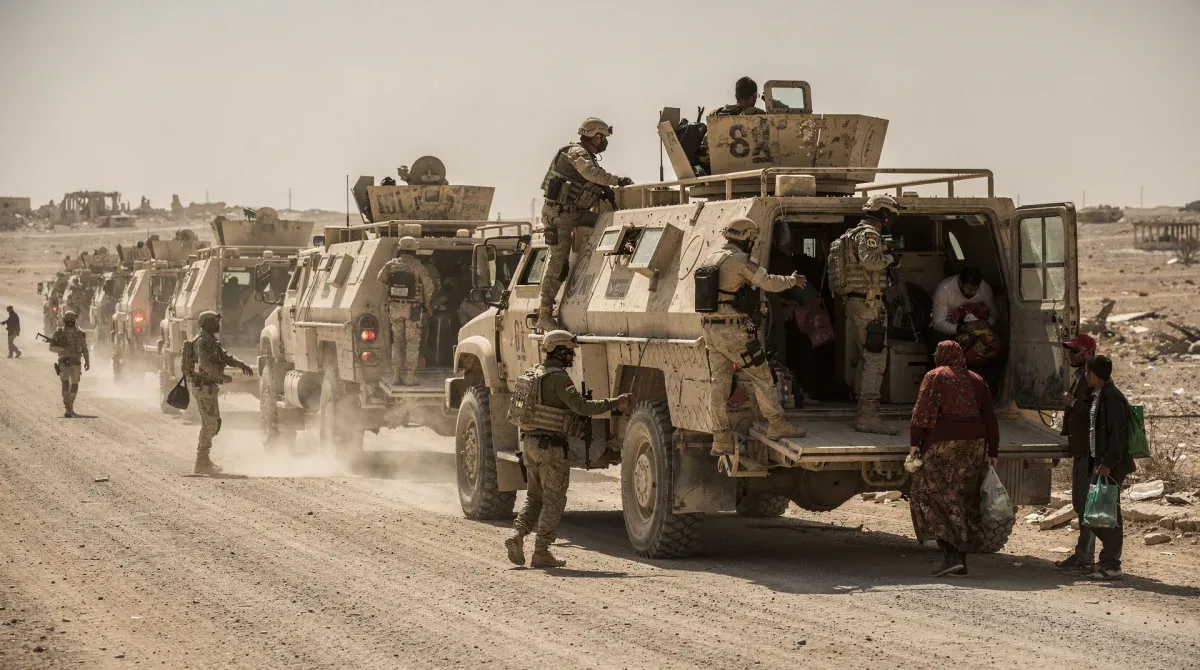
Evacuating citizens from active war zones under Level 4 Travel Warnings presents an array of formidable challenges and inherent limitations for all involved parties. These complexities stem from the nature of armed conflict itself, which often creates an environment of unpredictability, danger, and severe logistical constraints. Understanding these difficulties is crucial for setting realistic expectations and appreciating the immense efforts required for such operations.
One of the primary challenges is the dynamic security situation. War zones are characterized by fluid front lines, sudden outbreaks of violence, and the presence of various armed groups, making it incredibly difficult to establish and maintain safe evacuation corridors. What might be a secure route one hour could become an active combat zone the next, posing significant risks to both evacuees and the personnel conducting the operation. This unpredictability necessitates constant reassessment and adaptation of plans, often under extreme pressure and with limited real-time intelligence.
Operational Hurdles
- Infrastructure Damage: Roads, bridges, airports, and communication networks are often severely damaged or destroyed, impeding movement and communication.
- Host Nation Cooperation: Gaining necessary approvals and cooperation from host governments, especially those embroiled in conflict, can be challenging and time-consuming.
- Limited Resources: Access to fuel, medical supplies, food, and water can be scarce, impacting the sustainability of evacuation efforts and the well-being of evacuees.
Another significant limitation is the sheer scale of human movement. Evacuations often involve large numbers of people, each with unique needs and circumstances. Managing crowds, ensuring order, and addressing the specific requirements of vulnerable populations—such as the elderly, infirm, and unaccompanied minors—add layers of complexity. The emotional and psychological toll on evacuees is also a major factor, with stress, fear, and trauma often hindering cooperation and decision-making during critical moments. This human element, while understandable, can introduce delays and complications into an already tight operational timeline.
Furthermore, the legal and political dimensions of war zone evacuations can be intricate. Issues of sovereignty, international law, and diplomatic relations must be carefully navigated. The U.S. government must often secure permission from various entities to enter airspace, utilize land routes, or dock vessels, which can be a slow and arduous process. There is also the inherent risk of military engagement or accidental targeting, which places both military and civilian personnel involved in the evacuation at extreme peril. These factors collectively illustrate that while the U.S. government is committed to protecting its citizens, the reality of war zone evacuations is far from straightforward and involves immense risk and effort.
In conclusion, war zone evacuations face significant challenges, including dynamic security, damaged infrastructure, and complex host nation cooperation. These limitations underscore the inherent risks and operational difficulties in such high-stakes humanitarian efforts.

Post-Evacuation Support and Reintegration
The journey for individuals evacuated from a Level 4 war zone does not end upon their safe departure. The U.S. government, alongside various non-governmental organizations, provides crucial post-evacuation support aimed at assisting citizens in their reintegration into a stable environment. This support addresses immediate needs, such as medical care and temporary housing, and extends to longer-term assistance for psychological recovery and logistical challenges. The goal is to facilitate a smooth transition for individuals who have endured traumatic experiences and significant disruption to their lives.
Upon arrival in a safe location, evacuees typically undergo initial processing, which includes medical screenings to address any immediate health concerns, injuries sustained during the evacuation, or pre-existing conditions exacerbated by the crisis. Mental health support is also a critical component, recognizing the profound psychological impact of living through and being evacuated from a conflict zone. Counselors and support staff are often available to provide initial trauma care and refer individuals to ongoing psychological services as needed. This immediate care is vital for stabilizing individuals and beginning the healing process.
Key Aspects of Post-Evacuation Assistance
- Medical and Mental Health Services: Comprehensive health assessments and access to psychological counseling are provided to address both physical and emotional trauma.
- Temporary Accommodation: Assistance with securing safe, temporary housing, whether in transit countries or upon return to the U.S., ensures evacuees have a stable base.
- Financial and Logistical Aid: Help with accessing emergency funds, replacing lost documents, and arranging onward travel or long-term residency solutions is crucial for practical reintegration.
Beyond immediate needs, the process of reintegration often involves significant logistical and bureaucratic hurdles. Evacuees may have lost all their belongings, including identification documents, financial records, and personal effects. Government agencies and support organizations assist in replacing passports, social security cards, and other vital paperwork. They can also provide guidance on accessing social services, employment resources, and educational opportunities, particularly for those who may have lost their livelihoods or had their education interrupted by the conflict. This holistic approach aims to restore a sense of normalcy and self-sufficiency.
Furthermore, community support networks play an invaluable role in the long-term reintegration process. Connecting evacuees with fellow citizens who have undergone similar experiences, or with local community groups, can provide a sense of belonging and reduce feelings of isolation. These networks can offer practical advice, emotional support, and a pathway to rebuilding a life. The entire post-evacuation support framework is designed to be comprehensive, recognizing that the impact of a Level 4 warning and subsequent evacuation can linger long after the immediate danger has passed, requiring sustained effort and compassion to help individuals recover and thrive.
In conclusion, post-evacuation support encompasses critical medical and mental health services, temporary accommodation, and logistical aid. This comprehensive assistance is vital for the successful reintegration of individuals who have experienced the trauma of being evacuated from a war zone.
| Key Aspect | Brief Description |
|---|---|
| Level 4 Warnings | 'Do Not Travel' advisory due to extreme life-threatening risks in specific regions. |
| Pre-emptive Measures | Enroll in STEP, create emergency plans, secure documents, and ensure financial readiness. |
| Evacuation Protocols | Step-by-step process involving notification, assembly, processing, and transportation out of danger. |
| Post-Evacuation Support | Medical, mental health, temporary accommodation, and logistical aid for reintegration. |
Frequently Asked Questions About Level 4 Travel Warnings
What does a Level 4 Travel Warning mean for U.S. citizens?▼A Level 4 Travel Warning means the U.S. State Department advises citizens to 'Do Not Travel' to a specific country or region due to extreme risks to life and safety, such as active warfare, civil unrest, or severe natural disasters. U.S. government assistance may be very limited.
How can I stay informed about Level 4 warnings while abroad?▼Enroll in the Smart Traveler Enrollment Program (STEP) to receive real-time alerts from the nearest U.S. Embassy or Consulate. Regularly check the U.S. State Department's website and follow reputable international news sources for updates on your destination.
What should I do if a Level 4 warning is issued for my location?▼Immediately contact the nearest U.S. Embassy or Consulate, inform your family of your status, and follow all official instructions for potential evacuation. Have your emergency kit and documents ready, and be prepared for limited services and challenging conditions.
Will the U.S. government pay for my evacuation from a war zone?▼While the U.S. government facilitates evacuations, citizens are typically required to sign a promissory note to reimburse the government for the costs incurred. It is not a free service, and individuals should be prepared for this financial responsibility.
What kind of support is available after an evacuation?▼Post-evacuation support often includes medical and mental health screenings, temporary accommodation, assistance with replacing lost documents, and guidance on accessing social services to help individuals reintegrate and recover from their experiences.
Conclusion
The landscape of international travel in 2026 is undeniably shaped by geopolitical realities, making a thorough understanding of Level 4 Travel Warnings and emergency evacuation protocols indispensable. These advisories are not mere suggestions but critical directives from the U.S. State Department, designed to safeguard American citizens from extreme dangers in active war zones. From pre-emptive measures like STEP enrollment to the intricate coordination of embassies and the challenges inherent in war zone evacuations, preparedness is the ultimate defense. The comprehensive support available post-evacuation underscores a commitment to citizen welfare, ensuring that even after navigating the most perilous circumstances, individuals can find a path to recovery and reintegration. Staying informed, preparing meticulously, and adhering to official guidance remains the cornerstone of safe international engagement in an ever-complex world.
