Sahel Geopolitical Crisis: Coups, Insurgency, and 2026 Outlook
The 2026 Sahel Geopolitical Crisis, marked by four military coups, significantly fueled a 30% expansion in regional insurgent territories, exacerbating instability and posing profound challenges to international security and humanitarian efforts.
The 2026 Sahel Geopolitical Crisis: Why 4 Military Coups Triggered a 30% Expansion in Regional Insurgent Territories represents a critical juncture for global security and humanitarian concerns. This complex situation, rooted in a series of destabilizing events, demands a thorough examination to understand its profound implications.
The Volatile Geopolitical Landscape of the Sahel
The Sahel region, a vast semi-arid belt stretching across Africa, has long been a hotbed of instability. Its strategic location, coupled with governance deficits, poverty, and climate change, creates a fertile ground for conflict. By 2026, this inherent volatility reached a critical peak, largely driven by a cascade of political upheavals.
Understanding the Sahel's geopolitical significance requires acknowledging its role as a bridge between North and Sub-Saharan Africa. This geographical reality has historically made it a crossroads for trade, migration, and, unfortunately, various forms of illicit trafficking and extremist ideologies. The region's diverse ethnic and religious groups often find themselves at odds, further complicating governance and security efforts.
Economic and Environmental Stressors
Beyond politics, economic and environmental factors play a crucial role in the Sahel's instability. Persistent poverty, lack of educational opportunities, and severe climate change impacts contribute to widespread discontent and vulnerability.
- Desertification: Expanding deserts and shrinking arable land force communities to compete for diminishing resources, fueling inter-communal violence.
- Food Insecurity: Erratic rainfall and environmental degradation lead to chronic food shortages, pushing populations to desperation.
- Youth Unemployment: A burgeoning youth population with limited economic prospects becomes susceptible to recruitment by insurgent groups, offering a sense of purpose and income.
The convergence of these stressors creates a desperate environment where radicalization becomes a viable, albeit dangerous, path for many. The fragility of state institutions in addressing these deep-seated issues only amplifies the crisis, making communities more reliant on non-state actors for perceived protection or provision.
The Sahel’s geopolitical landscape is not merely a regional issue; it has global ramifications. The flow of migrants, the expansion of terrorist networks, and the potential for spillover into neighboring regions underscore the international community's vested interest in understanding and addressing this multifaceted crisis.
The Domino Effect of Four Military Coups
The year 2026 saw an unprecedented wave of political instability in the Sahel, characterized by four distinct military coups that fundamentally reshaped the region's power dynamics. These coups, often justified by their perpetrators as necessary interventions against corruption or insecurity, instead served to further destabilize an already fragile environment.
Each coup, while ostensibly aimed at improving governance or security, systematically dismantled democratic institutions and weakened the rule of law. This created power vacuums and diverted critical resources from counter-insurgency efforts, inadvertently providing a strategic advantage to various non-state armed groups. The international community's response, often a mix of condemnation and attempts at mediation, proved largely ineffective in stemming the tide of these takeovers.
Specific Coups and Their Immediate Impact
The sequence of these coups began in countries like Mali and Burkina Faso, which had already experienced previous military interventions. The 2026 coups in Niger and Chad, however, marked a significant escalation, expanding the geographic scope of military rule and eroding democratic gains across the central Sahel.
- Mali (2026): A second coup, citing continued insecurity and public discontent with the transitional government, further entrenched military rule, sidelining civilian political processes.
- Burkina Faso (2026): Following Mali's lead, another military takeover promised a more robust approach to combating jihadist groups, yet ultimately fragmented national security forces.
- Niger (2026): This coup was particularly damaging as Niger had been a key Western ally in counter-terrorism efforts, leading to a significant withdrawal of international military support.
- Chad (2026): The military seized power amidst political succession disputes, further destabilizing a nation critical for regional security due to its strategic location and military capacity.
The immediate aftermath of these coups was characterized by a period of uncertainty, international sanctions, and a significant reduction in foreign aid and security cooperation. This isolation directly impacted the capacity of these states to project authority and counter the growing insurgent threat, creating a vacuum that extremist groups were quick to exploit.

Insurgent Expansion: A 30% Territorial Surge
The most alarming consequence of the 2026 military coups was the dramatic expansion of insurgent territories across the Sahel, estimated at a staggering 30%. This surge was not coincidental but a direct result of the political instability, weakened state capacity, and fractured security forces that followed each coup.
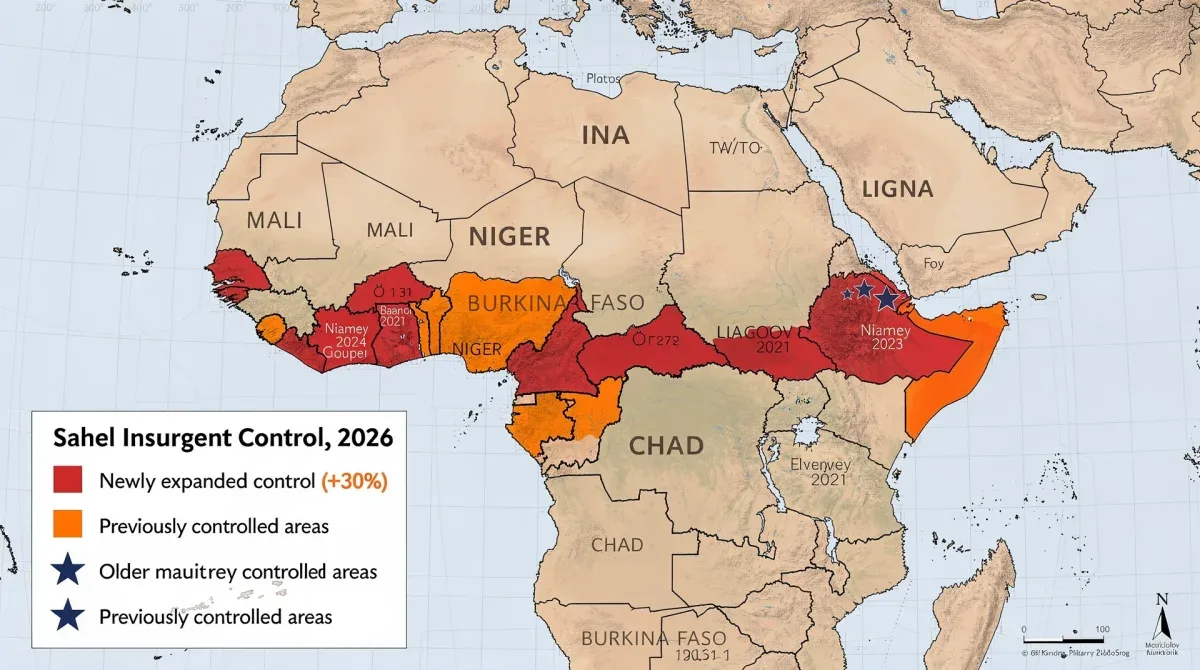
Insurgent groups, including affiliates of Al-Qaeda and ISIS, capitalized on the chaos. They exploited the breakdown of governance, the withdrawal of international forces, and the internal divisions within national armies to consolidate their control over vast swathes of land. This territorial expansion allowed them to establish stronger bases, recruit more fighters, and impose their extremist ideologies on local populations.
Tactics and Consequences of Expansion
The insurgents employed a variety of tactics to achieve their territorial gains. They often targeted remote areas where state presence was already minimal, offering basic services or protection in exchange for loyalty. They also launched coordinated attacks on military outposts and civilian centers, demonstrating their growing operational capabilities.
- Exploiting Power Vacuums: Insurgents moved swiftly into areas where state authority collapsed post-coup, filling the void.
- Recruitment and Radicalization: They intensified recruitment efforts among disaffected youth, promising stability, justice, or economic opportunities.
- Control of Resources: Gaining control over key trade routes and natural resources provided new revenue streams for their operations.
The expansion had devastating consequences for civilian populations. Communities under insurgent control faced severe human rights abuses, forced conscription, and restrictions on their freedoms. Humanitarian access became increasingly difficult, exacerbating already dire conditions for millions.
This territorial surge fundamentally altered the security landscape of the Sahel, transforming localized insurgencies into a regional crisis with significant implications for international counter-terrorism efforts. The loss of stable governance in key states created a contiguous zone of instability, making containment and eradication of these groups far more challenging.
Humanitarian Crisis and Displacement Intensifies
The escalating geopolitical crisis in the Sahel, particularly the expansion of insurgent territories, has triggered an unprecedented humanitarian catastrophe. Millions of people have been displaced from their homes, facing dire conditions and a desperate struggle for survival. The impact on vulnerable populations, especially women and children, is profound and long-lasting.
Displacement is not just about losing a home; it's about losing livelihoods, access to education, healthcare, and safety nets. Many displaced persons are forced to live in overcrowded camps or host communities that are themselves struggling with limited resources. The psychological trauma of conflict and displacement leaves deep scars, affecting entire generations.
Challenges to Aid Delivery
Delivering humanitarian aid in the Sahel has become increasingly perilous. Insurgent groups often target aid convoys, restrict access to affected areas, and co-opt resources for their own purposes. This makes it incredibly difficult for international organizations to reach those most in need, further exacerbating the crisis.
- Insecurity: Frequent attacks and widespread violence make many areas inaccessible for aid workers.
- Logistical Hurdles: Poor infrastructure and vast distances complicate the transportation of essential supplies.
- Funding Gaps: The sheer scale of the crisis often outstrips the available international funding, leaving critical needs unmet.
The lack of consistent access means that millions are deprived of food, clean water, medical care, and shelter. Malnutrition rates, particularly among children, have soared, and preventable diseases are spreading rapidly in unsanitary conditions. The international community faces an immense challenge in overcoming these obstacles to provide life-saving assistance.
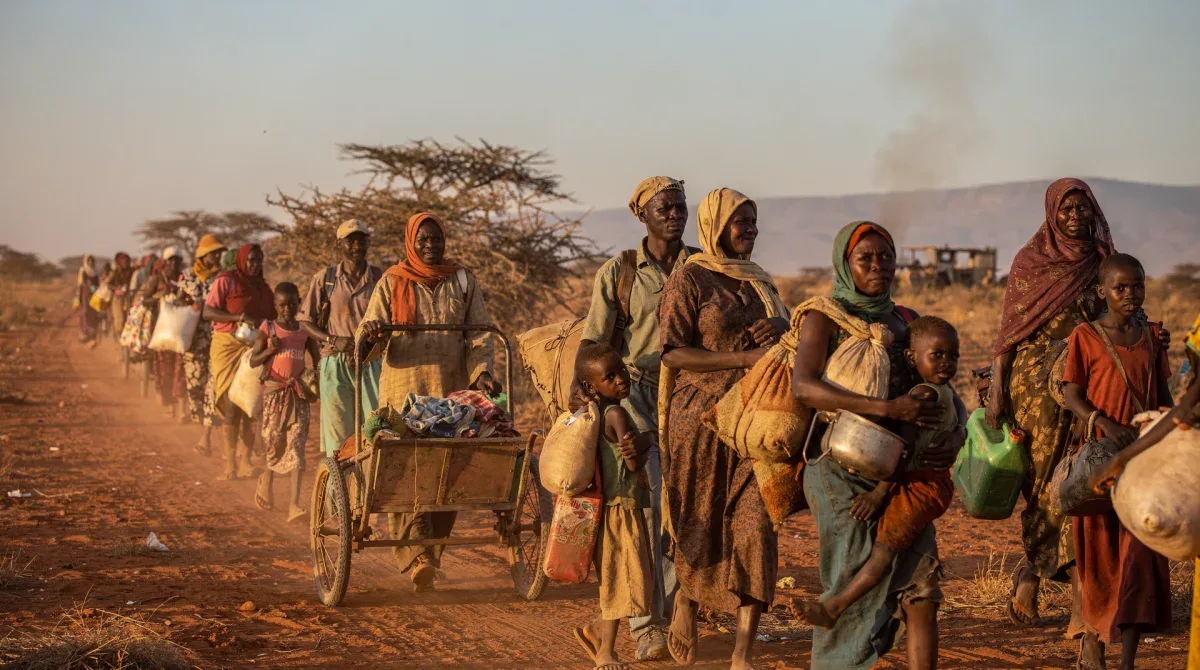
The humanitarian crisis in the Sahel is a stark reminder of the human cost of political instability and conflict. Addressing it requires not only emergency aid but also long-term strategies that tackle the root causes of displacement and vulnerability, including security, governance, and climate resilience.
International Response and Geopolitical Realignments
The 2026 Sahel Geopolitical Crisis prompted a complex and often fragmented international response, leading to significant geopolitical realignments. Western powers, traditionally active in the region, found their influence waning in the wake of military coups and the subsequent withdrawal of forces. This created opportunities for other global actors to increase their engagement, fundamentally shifting the regional power balance.
European nations, particularly France, which had a historical military presence, faced increasing pressure to redefine their role. The focus shifted from direct military intervention to supporting regional security initiatives and humanitarian efforts, though often with reduced capacity due to the political changes in the Sahelian states. The United States also recalibrated its strategy, emphasizing intelligence sharing and training for remaining partners, rather than large-scale deployments.
Emerging Global Players and Their Influence
As traditional partners scaled back, new geopolitical players stepped into the void, eager to expand their influence and secure strategic advantages. Russia, in particular, deepened its military and economic ties with several coup-led governments, offering security assistance and resource deals.
- Russia's Expanding Footprint: Leveraging Wagner Group operatives and offering arms, Russia gained significant leverage, often at the expense of democratic principles.
- China's Economic Engagement: While less overtly military, China continued its long-term strategy of infrastructure development and resource extraction, solidifying economic partnerships.
- Regional Powers: Countries like Turkey and the UAE also increased their diplomatic and economic presence, diversifying the array of external actors in the Sahel.
These realignments introduced new complexities to an already volatile region. The presence of multiple external actors with differing agendas often exacerbated internal divisions and complicated efforts to forge a unified approach to counter-insurgency and stabilization. The Sahel became a new arena for great power competition, with local populations often caught in the middle.
The international community's struggle to formulate a coherent and effective response highlights the intricate challenges posed by the Sahel crisis. Any sustainable solution will require a coordinated effort that addresses not only security concerns but also the underlying governance, economic, and social issues, while navigating the shifting geopolitical landscape.
Pathways to Stability: Challenges and Opportunities
Restoring stability in the Sahel after the 2026 crisis presents formidable challenges, yet also offers crucial opportunities for recalibration and innovative solutions. The traditional approaches have proven insufficient, necessitating a fundamental shift in strategy that prioritizes local ownership, sustainable development, and inclusive governance.
The immediate challenge lies in reversing the territorial gains made by insurgent groups and re-establishing state authority. This requires not only enhanced security capabilities but also a comprehensive approach that addresses the root causes of radicalization and provides viable alternatives to violence. Without addressing poverty, lack of education, and limited economic opportunities, any security gains will likely be fleeting.
Key Areas for Intervention
A multi-faceted approach is essential for long-term stability. This includes strengthening governance, fostering economic development, and building resilience to climate change, all while ensuring that security initiatives are conducted with respect for human rights and local customs.
- Inclusive Governance: Supporting transparent and accountable governance structures that genuinely represent the diverse populations of the Sahel.
- Economic Diversification: Investing in agriculture, renewable energy, and small-to-medium enterprises to create jobs and reduce reliance on fragile sectors.
- Climate Adaptation: Implementing projects that help communities adapt to the impacts of climate change, such as sustainable water management and drought-resistant crops.
- Regional Cooperation: Enhancing collaboration among Sahelian states on security, intelligence sharing, and cross-border development initiatives.
The international community has a critical role to play in supporting these efforts, not through imposing solutions, but by acting as facilitators and partners. This involves sustained financial aid, technical expertise, and diplomatic engagement that encourages dialogue and reconciliation.
Despite the grim outlook presented by the 2026 crisis, there remains a window of opportunity to build a more stable and prosperous Sahel. This requires a commitment to long-term strategies, flexibility in adapting to evolving circumstances, and a genuine partnership between local communities, national governments, and international actors to address the region's complex challenges comprehensively.
The Long-Term Repercussions for Global Security
The 2026 Sahel Geopolitical Crisis and its aftermath will undoubtedly cast a long shadow over global security for years to come. The expansion of insurgent territories, coupled with increased geopolitical competition, has created a new nexus of threats that extends far beyond the immediate region. Understanding these long-term repercussions is crucial for international policymakers.
One primary concern is the potential for the Sahel to become an even more entrenched haven for extremist organizations. With expanded operational bases and increased resources, these groups could pose a greater threat to international shipping lanes, regional stability, and even launch attacks further afield. The interconnectedness of global security means that instability in one region can quickly ripple across continents.
Broader Implications for International Relations
The shifting alliances and increased presence of diverse global powers in the Sahel will also have significant implications for international relations. The competition for influence and resources could exacerbate existing tensions between major powers, leading to proxy conflicts or hindering collaborative efforts on other global issues.
- Counter-terrorism Challenges: The fragmented security landscape makes coordinated international counter-terrorism efforts exceedingly difficult.
- Migration Flows: Continued instability and humanitarian crises will likely fuel further migration, impacting neighboring countries and Europe.
- Resource Scramble: The competition for mineral resources and energy in the Sahel could intensify, leading to further geopolitical friction.
Moreover, the crisis underscores the fragility of democratic transitions in post-colonial states and the persistent challenges of nation-building in complex environments. The failure to address the root causes of instability in the Sahel could serve as a cautionary tale for other vulnerable regions globally.
Ultimately, the long-term repercussions for global security demand a proactive and sustained international engagement with the Sahel. This involves moving beyond reactive measures to implement comprehensive strategies that promote good governance, sustainable development, and regional cooperation, ensuring that the crisis does not become a permanent feature of the global security landscape.
| Key Aspect | Brief Description |
|---|---|
| Military Coups (2026) | Four coups in Sahelian nations destabilized governments, creating power vacuums. |
| Insurgent Expansion | Insurgent territories grew by 30% due to state weakening and resource diversion. |
| Humanitarian Crisis | Mass displacement and aid delivery challenges exacerbated suffering for millions. |
| Geopolitical Shifts | Western influence waned, while Russia and China increased their presence in the region. |
Frequently Asked Questions About the Sahel Crisis
What were the primary triggers for the 2026 Sahel Geopolitical Crisis?▼The 2026 Sahel crisis was primarily triggered by a series of four military coups in key regional nations. These coups exacerbated existing vulnerabilities like governance deficits, widespread poverty, and the severe impacts of climate change, creating a fertile ground for conflict and instability.
How did the military coups contribute to the expansion of insurgent territories?▼The military coups significantly weakened state institutions and fragmented national security forces. This created power vacuums and diverted resources, which insurgent groups like Al-Qaeda and ISIS affiliates swiftly exploited to consolidate control and expand their operational areas by an estimated 30%.
What are the main humanitarian impacts of the crisis on the Sahelian population?▼The crisis has led to a severe humanitarian emergency, marked by mass displacement, widespread food insecurity, and limited access to essential services like healthcare and education. Millions of people, particularly women and children, face extreme hardship and are in desperate need of aid.
Which international actors have increased their influence in the Sahel following the crisis?▼Following the crisis, traditional Western powers saw their influence diminish. Russia significantly increased its military and economic engagement, often through proxy groups. China continued its economic and infrastructure investments, while regional powers like Turkey and the UAE also expanded their diplomatic and economic presence.
What are the potential long-term global security repercussions of the Sahel crisis?▼The long-term repercussions include the Sahel becoming a more entrenched hub for extremist groups, posing greater threats globally. It could also intensify geopolitical competition among world powers, fuel further migration flows, and highlight the challenges of democratic stability in vulnerable regions worldwide.
Conclusion
The 2026 Sahel Geopolitical Crisis stands as a stark reminder of the intricate interplay between political instability, humanitarian emergencies, and global security. The series of military coups not only dismantled fragile democratic structures but also directly fueled a significant expansion of insurgent territories, exacerbating an already dire humanitarian situation. As the international community grapples with the fallout, the shifting geopolitical landscape and the emergence of new global actors underscore the need for a recalibrated, comprehensive, and locally-driven approach to foster long-term stability and address the multifaceted challenges confronting the Sahel.
