OFAC Sanctions: A 4-Step Overview of US Strategic Restrictions
Understanding revised OFAC diplomatic sanctions is crucial for navigating US strategic restrictions across key geopolitical corridors, requiring a four-step approach to ensure compliance and mitigate risks.
Navigating Revised OFAC Diplomatic Sanctions: A 4-Step Overview of US Strategic Restrictions Across Key Geopolitical Corridors requires a clear understanding of the complex landscape of international relations and legal compliance. This guide aims to demystify the process, offering a structured approach for businesses and individuals alike.
Understanding the Evolution of OFAC Sanctions
The Office of Foreign Assets Control (OFAC) plays a critical role in enforcing U.S. foreign policy and national security goals through economic and trade sanctions. These measures are not static; they evolve constantly in response to global events, changing geopolitical dynamics, and emerging threats. Staying informed about these revisions is not merely a best practice; it is a fundamental requirement for anyone operating internationally.
Initially, OFAC sanctions primarily targeted specific countries or regimes deemed hostile to U.S. interests. Over time, the scope has broadened considerably, now encompassing a vast array of individuals, entities, and even specific sectors within economies. This expansion reflects a more granular and adaptable approach by the U.S. government to address complex international challenges.
From Broad Embargoes to Targeted Restrictions
Historically, sanctions often took the form of comprehensive embargoes, cutting off all trade and financial transactions with an entire country. While such measures still exist, the trend has shifted towards more targeted sanctions. These newer, more precise restrictions aim to minimize humanitarian impact and collateral damage to innocent populations, focusing instead on specific individuals, entities, or activities responsible for objectionable conduct.
- Entity-based sanctions: Target specific companies, organizations, or government agencies.
- Individual-based sanctions: Aim at specific persons, often high-ranking officials or those involved in illicit activities.
- Sectoral sanctions: Impose restrictions on particular industries within a country, such as finance, energy, or defense.
- Thematic sanctions: Address specific illicit activities like terrorism, narcotics trafficking, or human rights abuses, regardless of geographic location.
The shift towards targeted sanctions demands a more sophisticated compliance infrastructure from affected parties. Businesses can no longer rely on a simple list of prohibited countries; they must now diligently vet all their partners, transactions, and supply chains against OFAC’s Specially Designated Nationals and Blocked Persons (SDN) List and other relevant lists.
The evolution of OFAC's approach underscores a strategic effort to exert pressure more efficiently and with greater precision, reducing unintended economic consequences while maximizing the impact on targeted adversaries. This continuous adaptation ensures that sanctions remain a potent tool in the U.S. foreign policy arsenal, capable of responding to a diverse range of global challenges.
Step 1: Comprehensive Risk Assessment and Due Diligence
The initial and perhaps most critical step in navigating revised OFAC diplomatic sanctions is conducting a thorough risk assessment. This process involves identifying, evaluating, and prioritizing the potential exposure an organization has to sanctioned entities, jurisdictions, or activities. A robust due diligence framework is the bedrock upon which all subsequent compliance efforts are built.
A comprehensive risk assessment begins with understanding your own business operations, including geographical footprint, customer base, suppliers, and transaction types. Each of these elements can introduce varying degrees of sanctions risk. For instance, operating in regions with a history of sanctions evasion or dealing with products that have dual-use potential significantly elevates risk levels.
Identifying Key Exposure Areas
To effectively manage risk, organizations must pinpoint where their vulnerabilities lie. This involves a detailed examination of several operational aspects:
- Geographic exposure: Which countries do you operate in, or with? Are any of these jurisdictions subject to current or potential future OFAC sanctions?
- Customer and client screening: Are your customers, their beneficial owners, or any associated parties on OFAC’s SDN List or other sanctions lists? This requires ongoing monitoring, not just a one-time check.
- Supplier and vendor due diligence: Do your supply chain partners have direct or indirect links to sanctioned entities or regions? A thorough understanding of your supply chain is essential to avoid inadvertent breaches.
- Transaction monitoring: Are there any unusual transaction patterns, payment methods, or recipient details that could indicate an attempt to circumvent sanctions?
Beyond identifying these areas, a robust risk assessment also involves evaluating the likelihood and potential impact of a sanctions violation. This helps in prioritizing resources and developing proportionate mitigation strategies. Ignoring even seemingly minor risks can lead to significant financial penalties, reputational damage, and legal repercussions.
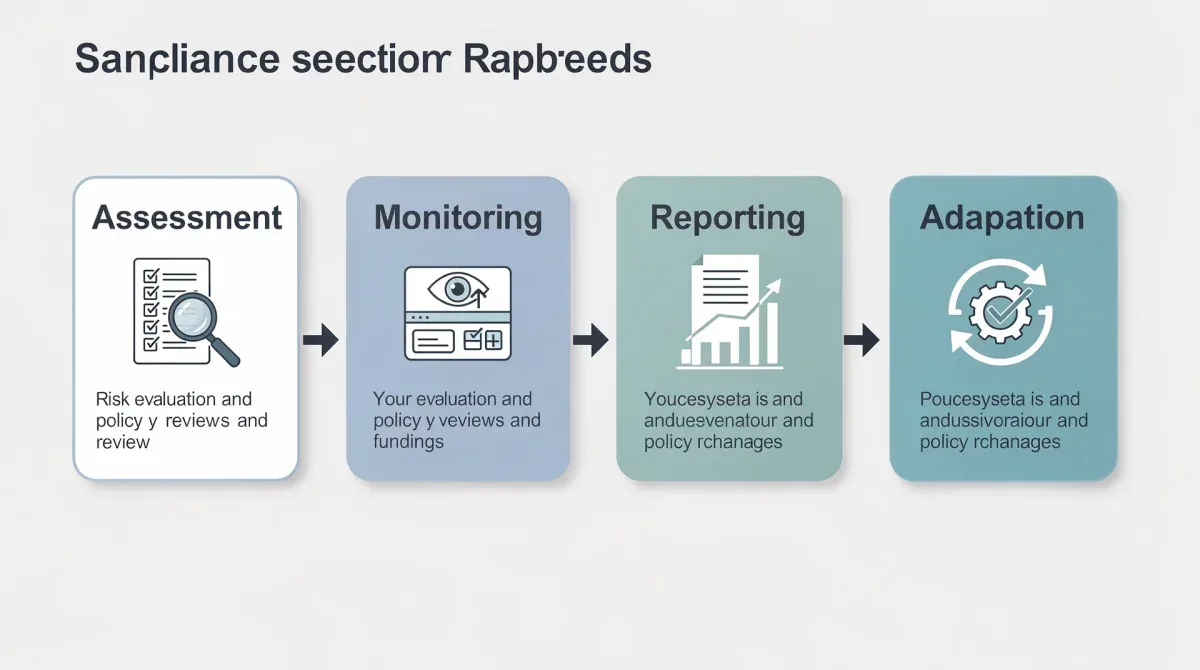
Due diligence is an ongoing process, not a one-off task. The dynamic nature of OFAC sanctions means that lists are updated frequently, and new restrictions can be imposed with little notice. Therefore, organizations must implement continuous monitoring mechanisms to ensure their compliance posture remains current and effective against evolving threats. This proactive approach is vital for maintaining integrity and avoiding costly penalties.
Step 2: Implementing Robust Compliance Programs

Once risks are identified, the next crucial step is to implement a robust compliance program tailored to your organization's specific risk profile. A well-designed program acts as the first line of defense against inadvertent sanctions violations, ensuring that all employees understand and adhere to the necessary protocols. This isn't a one-size-fits-all solution; it must be customized to the unique intricacies of your business operations and exposure to sanctioned activities.
A strong compliance program typically includes a combination of policies, procedures, training, and technological solutions. It should permeate all levels of the organization, from senior management to frontline employees, fostering a culture of compliance where everyone understands their role in upholding sanctions regulations.
Key Components of an Effective Compliance Program
Developing an effective compliance program involves integrating several essential elements that work in concert to prevent, detect, and address sanctions risks. These components provide a structured approach to managing the complexities of OFAC regulations.
- Written policies and procedures: Document clear guidelines on how to identify and handle potential sanctions risks, including screening protocols, reporting mechanisms, and escalation procedures.
- Designated compliance officer: Appoint a knowledgeable individual or team responsible for overseeing the compliance program, staying abreast of regulatory changes, and providing guidance.
- Employee training: Regularly train all relevant employees on OFAC regulations, the organization’s compliance policies, and how to identify red flags. Training should be tailored to specific roles and responsibilities.
- Automated screening tools: Utilize technology to screen customers, vendors, and transactions against sanctions lists. These tools can significantly enhance efficiency and accuracy, reducing manual errors.
- Internal controls: Establish checks and balances to ensure that policies are being followed and to prevent unauthorized transactions with sanctioned parties.
The effectiveness of a compliance program hinges on its ability to adapt. As OFAC sanctions evolve and geopolitical landscapes shift, so too must the compliance framework. Regular reviews and updates are necessary to ensure that the program remains relevant and capable of addressing new challenges. This iterative process of refinement is key to long-term compliance success.
Step 3: Continuous Monitoring and Adapting to Changes
The dynamic nature of global politics means that OFAC diplomatic sanctions are subject to frequent changes. Therefore, continuous monitoring and the ability to adapt swiftly are paramount for maintaining compliance. A static compliance program, no matter how robust at its inception, will quickly become obsolete if it does not evolve with the regulatory landscape. This proactive approach is not just about avoiding penalties; it's about maintaining operational integrity and international credibility.
Continuous monitoring extends beyond merely checking updated sanctions lists. It involves staying informed about geopolitical developments, understanding the rationale behind new sanctions, and anticipating potential impacts on your business. This requires access to reliable intelligence sources and a commitment to ongoing education within the compliance team.
Strategies for Effective Monitoring and Adaptation
To effectively monitor and adapt to changes in OFAC sanctions, organizations should implement a multi-faceted strategy that leverages both technology and human expertise. This combination ensures thoroughness and flexibility in responding to new challenges.
- Real-time sanctions list screening: Employ automated tools that integrate with OFAC's SDN List and other relevant lists, providing immediate alerts when new entries or changes occur.
- Geopolitical intelligence: Subscribe to reputable news services, government advisories, and industry-specific intelligence reports to anticipate potential sanctions changes in key geopolitical corridors.
- Regular policy reviews: Periodically review and update internal compliance policies and procedures to reflect the latest OFAC regulations and best practices.
- Scenario planning: Conduct exercises to simulate various sanctions scenarios, helping the organization develop rapid response plans and test the effectiveness of existing controls.
- Feedback loops: Establish channels for employees to report potential compliance issues or suggest improvements to the program, fostering a culture of collective responsibility.
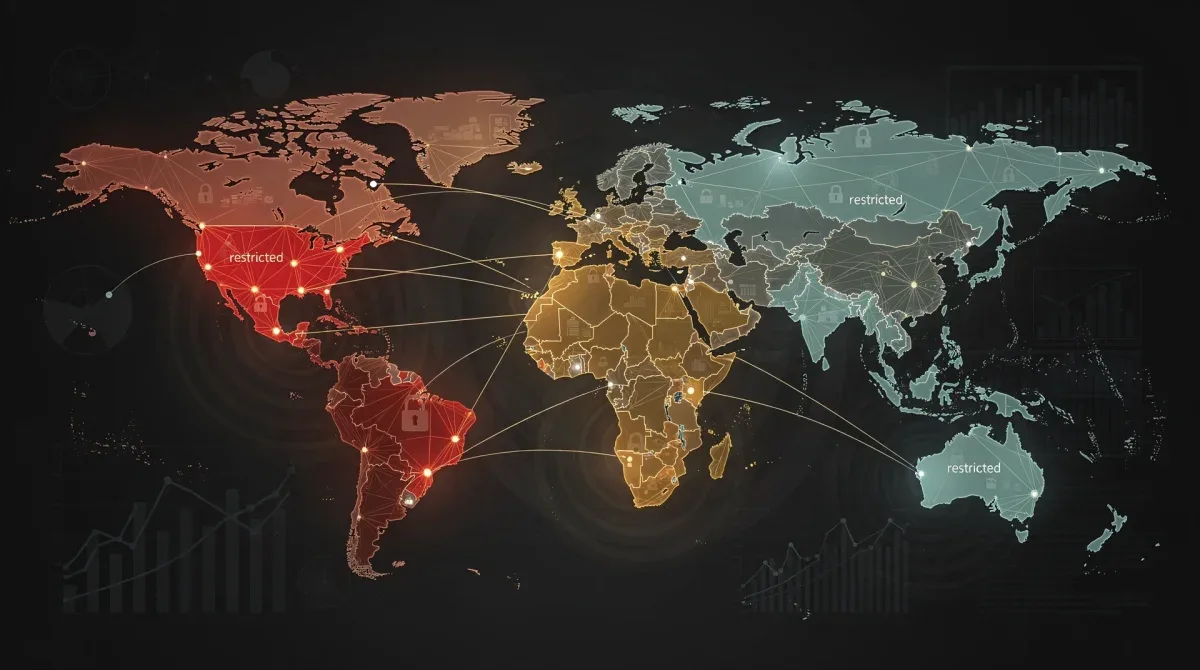
Adapting to changes also means being prepared to adjust business strategies, re-evaluate partnerships, and potentially exit certain markets if the risk of non-compliance becomes too high. This flexibility, while sometimes challenging, is essential for long-term viability in a heavily regulated global economy. Organizations that prioritize continuous learning and adaptation are better positioned to navigate the complexities of OFAC sanctions effectively.
Step 4: Incident Response and Remediation
Even with the most robust compliance programs, incidents can occur. The fourth step in navigating revised OFAC diplomatic sanctions involves having a clear, well-rehearsed incident response and remediation plan. This plan outlines the immediate actions to take when a potential sanctions violation is identified, how to investigate it, and the steps necessary to mitigate damage and prevent recurrence. A swift and effective response can significantly reduce the severity of penalties and preserve an organization's reputation.
An incident response plan should not be developed in isolation; it must be integrated with the broader compliance framework and communicated clearly to all relevant personnel. Understanding who to notify, what information to gather, and how to interact with regulatory bodies is crucial in a crisis situation.
Key Elements of an Incident Response Plan
A comprehensive incident response plan provides a structured approach to managing potential sanctions violations, ensuring that all necessary steps are taken efficiently and effectively. This plan minimizes disruption and facilitates a smooth resolution process.
- Detection and reporting: Clear procedures for employees to identify and report potential sanctions violations to the compliance officer or designated team.
- Investigation protocols: A defined process for thoroughly investigating reported incidents, including gathering evidence, interviewing relevant parties, and determining the scope and nature of the violation.
- Legal counsel engagement: Immediate engagement with legal counsel specializing in sanctions law to guide the investigation and advise on reporting obligations.
- Voluntary self-disclosure: Understanding OFAC’s guidance on voluntary self-disclosure, which can significantly mitigate penalties if a violation is reported promptly and cooperatively.
- Remediation and corrective actions: Developing and implementing a plan to address the root cause of the violation, enhance internal controls, and prevent future occurrences.
Remediation is not just about fixing the immediate problem; it’s about demonstrating a commitment to compliance and strengthening the overall program. This might involve additional training, system upgrades, or even disciplinary actions. The goal is to show OFAC that the organization takes its compliance obligations seriously and is actively working to prevent future breaches. An effective incident response plan is a testament to an organization's maturity in navigating the complex world of international sanctions.
Geopolitical Corridors and Strategic Restrictions
The U.S. government strategically deploys OFAC sanctions across various geopolitical corridors to address specific foreign policy objectives. These restrictions are not uniformly applied but are instead tailored to exert maximum pressure on targeted adversaries while minimizing unintended consequences for allies. Understanding these targeted corridors is crucial for any entity engaging in international trade or finance.
For instance, sanctions against Russia often focus on its energy, financial, and defense sectors, aiming to curb its military capabilities and influence in Eastern Europe. Similarly, restrictions on Iran typically target its nuclear program, ballistic missile development, and support for terrorism, impacting its oil exports and access to the international financial system. Each corridor presents unique challenges and requires a nuanced understanding of the specific restrictions in place.
Key Geopolitical Corridors Under OFAC Scrutiny
Several regions globally are consistently under the purview of OFAC sanctions due to ongoing U.S. foreign policy concerns. These areas represent significant risk for international businesses.
- Russia/Eurasia: Sanctions primarily target individuals and entities involved in destabilizing activities in Ukraine, human rights abuses, and cyber interference. Key sectors affected include finance, energy, and defense.
- Iran: Comprehensive sanctions aim to prevent nuclear proliferation and support for terrorism. Restrictions impact oil exports, banking, shipping, and various other sectors.
- China: While not a comprehensive sanctions regime, targeted restrictions address human rights abuses (e.g., Xinjiang), military modernization, and certain technology transfers deemed a national security risk.
- Venezuela: Sanctions are aimed at the Maduro regime, targeting individuals and entities involved in corruption, human rights abuses, and undermining democracy. The oil sector is significantly impacted.
- Cuba, North Korea, Syria: These countries remain under broad, long-standing sanctions regimes due to national security concerns, human rights records, and proliferation activities.
The strategic deployment of these restrictions reflects a careful balancing act by the U.S. government—to exert pressure where needed without unduly harming global economic stability. Businesses operating in or with connections to these corridors must exercise extreme caution and maintain rigorous compliance checks. The interconnectedness of the global economy means that even indirect exposure can lead to significant compliance challenges.
The Broader Impact of OFAC Sanctions on Global Trade
The reach of OFAC sanctions extends far beyond the immediate targets, creating a ripple effect across global trade and finance. These restrictions can impact supply chains, financial transactions, and investment decisions worldwide, necessitating a broader understanding of their implications for businesses and economies that are not directly sanctioned. The complexity arises from the extraterritorial nature of some U.S. sanctions, which can affect non-U.S. persons engaged in activities with sanctioned entities.
For multinational corporations, navigating this intricate web means not only complying with U.S. law but also potentially reconciling conflicting legal obligations from different jurisdictions. This can lead to de-risking strategies, where financial institutions and businesses opt to reduce or sever ties with entire regions or sectors to avoid any perceived sanctions risk, even if not directly prohibited.
Challenges for International Businesses
International businesses face a myriad of challenges in adapting to the pervasive influence of OFAC sanctions. These challenges often require significant investment in compliance infrastructure and expertise.
- Compliance costs: The expense of implementing and maintaining robust compliance programs, including technology, personnel, and legal advice, can be substantial, especially for smaller entities.
- Supply chain disruptions: Sanctions can suddenly cut off access to critical suppliers or markets, forcing businesses to reconfigure their supply chains at short notice.
- Financial transaction hurdles: Banks and financial institutions often exercise extreme caution, leading to delays or refusals of transactions perceived as high-risk, even if they are ultimately compliant.
- Reputational risk: Association with sanctioned entities, even inadvertently, can severely damage a company’s reputation and lead to loss of trust from customers and partners.
- Legal and operational complexity: Operating across multiple jurisdictions with varying sanctions regimes adds layers of legal and operational complexity, requiring expert guidance.
The cumulative effect of OFAC sanctions is a reshaping of global trade routes and financial flows. While designed to achieve specific foreign policy objectives, their broader impact underscores the need for continuous vigilance, strategic planning, and adaptive compliance measures by all participants in the international economy. Businesses must recognize that the landscape of global trade is increasingly governed by these strategic restrictions.
| Key Step | Brief Description |
|---|---|
| Risk Assessment | Identify and evaluate potential exposure to sanctioned entities, jurisdictions, and activities. |
| Compliance Programs | Implement tailored policies, procedures, training, and tools to prevent violations. |
| Continuous Monitoring | Stay informed on evolving sanctions, adapt strategies, and update screening mechanisms. |
| Incident Response | Establish a plan for detecting, investigating, and remediating potential sanctions violations. |
Frequently Asked Questions About OFAC Sanctions
What are OFAC diplomatic sanctions?▼OFAC diplomatic sanctions are economic and trade restrictions imposed by the U.S. government, through the Office of Foreign Assets Control, to achieve foreign policy and national security objectives against targeted countries, entities, or individuals. These measures can range from asset freezes to trade embargoes.
Why do OFAC sanctions evolve frequently?▼OFAC sanctions evolve frequently in response to dynamic global geopolitical shifts, new threats, and changes in U.S. foreign policy priorities. This continuous adaptation ensures the sanctions remain effective tools for addressing international challenges and exerting targeted pressure.
What is the SDN List and why is it important?▼The Specially Designated Nationals and Blocked Persons (SDN) List is a public list maintained by OFAC that identifies individuals and entities with whom U.S. persons are generally prohibited from doing business. It is crucial for compliance as transactions with SDNs are strictly forbidden.
How can businesses ensure continuous compliance with OFAC?▼Businesses ensure continuous compliance by implementing robust programs including real-time screening tools, ongoing employee training, regular policy reviews, and staying informed about geopolitical developments. Proactive adaptation to regulatory changes is key to avoiding violations.
What are the potential consequences of an OFAC violation?▼Consequences of an OFAC violation can include substantial monetary penalties, criminal charges for severe cases, reputational damage, and restrictions on future business operations. Voluntary self-disclosure and cooperation can mitigate these penalties significantly.
Conclusion
Navigating the complex and ever-changing landscape of OFAC diplomatic sanctions requires more than just a superficial understanding; it demands a systematic, multi-faceted approach. By diligently implementing the four steps outlined—comprehensive risk assessment, robust compliance programs, continuous monitoring, and a clear incident response plan—businesses and individuals can significantly mitigate their exposure to violations. The strategic restrictions across various geopolitical corridors underscore the critical need for vigilance and adaptability in an interconnected global economy. Staying informed and proactive is not merely a legal obligation but a strategic imperative for maintaining integrity and operational continuity in today's international environment.
