2026 U.S.-EU Visa Waiver Review: Impacts on American Travelers
The 2026 U.S.-EU Visa Waiver Reciprocity Review could significantly alter travel for Americans, potentially introducing new requirements and consular shifts affecting entry into the Schengen Area.
As 2026 approaches, the impending U.S.-EU Visa Waiver Reciprocity Review is a topic of increasing importance for American travelers. This review has the potential to reshape the ease with which U.S. citizens currently visit the Schengen Area, introducing new considerations and perhaps even new requirements for entry. Understanding these potential shifts now can help travelers prepare for what lies ahead.
Understanding the U.S.-EU Visa Waiver Agreement and Its Origins
The visa waiver program, a cornerstone of transatlantic travel, has long facilitated seamless journeys for millions of Americans to Europe. This arrangement, however, is not a unilateral privilege but a reciprocal agreement based on mutual trust and shared security interests. Its origins lie in efforts to streamline international travel while maintaining robust border security.
The initial framework of the Visa Waiver Program (VWP) allowed citizens of participating countries, including the United States, to travel to other member states for tourism or business for up to 90 days without obtaining a visa. This dramatically reduced bureaucratic hurdles, fostering cultural exchange, economic ties, and personal connections. The principle of reciprocity dictates that if the U.S. grants visa-free access to EU citizens, the EU should extend the same courtesy to Americans.
Historical Context of Visa Waivers
The VWP was established by the U.S. Congress in 1986, with the primary goal of promoting tourism and business travel. Over the years, it expanded to include numerous countries, primarily in Europe. The European Union, in turn, developed its own visa policies, often aligning with the spirit of the VWP. This symbiotic relationship has largely benefited both sides, making transatlantic travel one of the most accessible globally.
- 1986: U.S. Visa Waiver Program established.
- Early 2000s: Expansion to include most Western European nations.
- 2008: Introduction of the Electronic System for Travel Authorization (ESTA) by the U.S. for VWP travelers.
- 2016: EU begins discussions on its own electronic travel authorization, ETIAS.
However, the landscape of international travel and security is ever-evolving. Global events, technological advancements, and shifting geopolitical priorities continually prompt reviews and adjustments to such agreements. The upcoming 2026 review is a scheduled opportunity to assess whether the current terms remain mutually beneficial and secure.
In essence, the U.S.-EU Visa Waiver Agreement is a dynamic instrument, constantly balancing the desire for open borders with the imperative of national security. The 2026 review will scrutinize this balance, potentially leading to adjustments that could affect American travelers.
Key Factors Driving the 2026 Reciprocity Review
The 2026 U.S.-EU Visa Waiver Reciprocity Review is not happening in a vacuum; it is influenced by a confluence of geopolitical, security, and economic factors. Understanding these drivers is crucial for anticipating the potential outcomes for American travelers.
One of the primary factors is the ongoing evolution of security threats. Both the U.S. and the EU are continually refining their approaches to border security, counter-terrorism, and intelligence sharing. Any perceived gaps or imbalances in these areas between the two entities could trigger calls for adjustments to the visa waiver terms. The rise of sophisticated cyber threats and challenges in data privacy also play a role, influencing how traveler information is collected and shared.
Security Concerns and Information Sharing
The sharing of passenger data and intelligence is a critical component of modern border security. Both the U.S. and the EU have advanced systems for screening travelers, but the reciprocity in these efforts is always under scrutiny. The effectiveness of systems like the U.S.'s ESTA and the EU's forthcoming ETIAS (European Travel Information and Authorization System) will be central to the review.
- Data Reciprocity: Ensuring that both sides share comparable levels of traveler data.
- Security Standards: Evaluating the robustness of each other's security protocols at airports and border crossings.
- Threat Assessment: Jointly assessing global threats and how they impact visa waiver policies.
Another significant driver is the principle of true reciprocity. While the U.S. grants visa-free access to most EU citizens, there have been historical points of contention regarding specific EU member states whose citizens still require visas for the U.S. The EU has consistently advocated for full reciprocity for all its member states, and this remains a key negotiating point.
Economic considerations also factor into the review. Travel and tourism contribute significantly to the economies of both the U.S. and the EU. Any changes to visa waiver policies could have substantial economic ripple effects, impacting airlines, hospitality, and related industries. The review will likely weigh these economic impacts against security imperatives.
Ultimately, the 2026 review will be a complex negotiation, balancing national security, economic interests, and the fundamental principle of reciprocity. The outcome will depend on how effectively both sides address these underlying factors.
The Role of ETIAS in the Reciprocity Equation
The European Travel Information and Authorization System (ETIAS) is poised to become a central element in the 2026 U.S.-EU Visa Waiver Reciprocity Review. While not a visa, ETIAS will introduce a mandatory electronic travel authorization for visa-exempt non-EU citizens, including Americans, traveling to the Schengen Area. Its implementation is a significant development that directly impacts the reciprocity discussion.

ETIAS is designed to enhance security within the Schengen Area by pre-screening travelers before their arrival. Much like the U.S.'s ESTA, it aims to identify potential security risks or irregular migration issues. For American travelers, this means an additional step in their travel planning, requiring an online application and approval before departure, even for short stays.
How ETIAS Affects American Travelers
The introduction of ETIAS is not intended to revoke visa-free travel for Americans but rather to add a layer of security. However, its existence changes the dynamics of the reciprocity debate. The EU can now argue that its system for screening visa-exempt travelers is comparable to the U.S.'s ESTA, strengthening its position in demanding full visa reciprocity for all its member states.
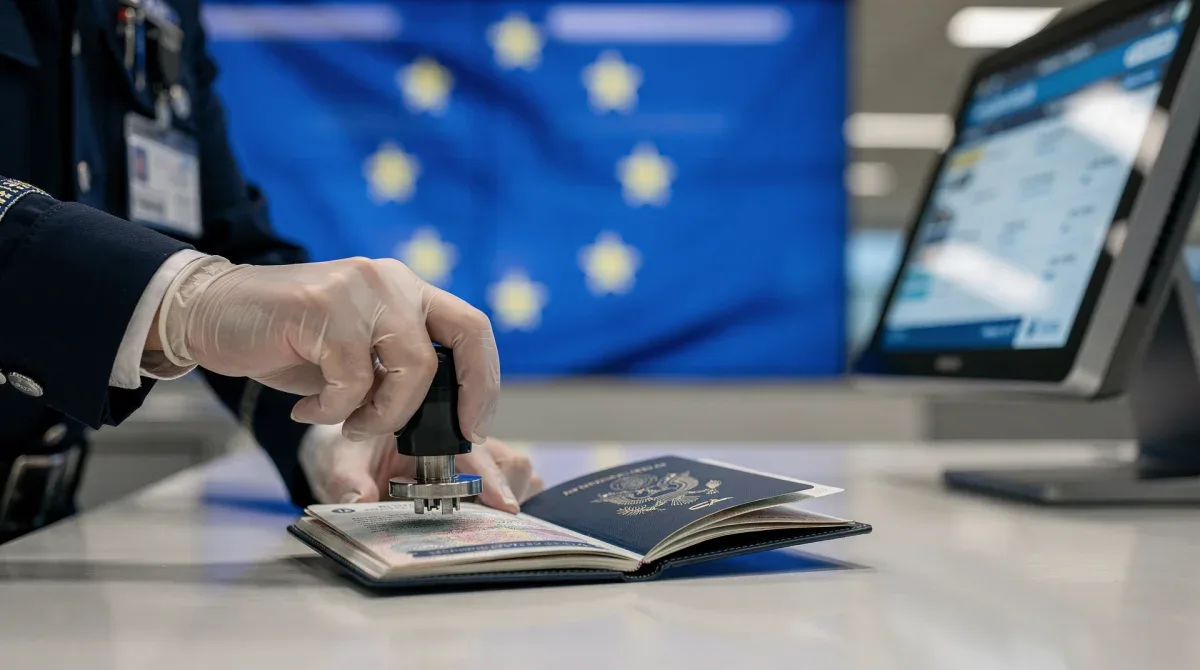
- Mandatory Pre-authorization: Americans will need an approved ETIAS to enter the Schengen Area.
- Online Application: The process is entirely online, similar to ESTA.
- Validity: ETIAS authorization will be valid for three years or until the passport expires, whichever comes first.
- Cost: A small fee will be associated with the ETIAS application.
The EU's perspective is that ETIAS provides a robust security framework, aligning with international best practices. This strengthens their argument for the U.S. to grant visa-free access to citizens of all EU member states, particularly those few that still require visas. The review will likely assess how well ETIAS integrates with existing security protocols and whether it truly creates a reciprocal security environment.
American travelers will need to familiarize themselves with the ETIAS requirements well in advance of their trips to Europe starting in 2025. This new system, while a minor administrative step, fundamentally alters the 'visa-free' paradigm and is a crucial component of the 2026 reciprocity discussions.
Potential Consular Shifts and Their Implications
The 2026 U.S.-EU Visa Waiver Reciprocity Review carries the potential for significant consular shifts, which could directly impact American travelers. These shifts might range from minor administrative adjustments to more substantial changes in entry requirements for the Schengen Area. Understanding these possibilities is key to preparing for future European travel.
One of the most discussed potential shifts revolves around the remaining EU member states whose citizens still require visas for the U.S. If the EU's push for full reciprocity is successful, it could lead to the U.S. extending visa-free status to these countries. While this wouldn't directly affect American travelers to Europe, it would signify a successful diplomatic outcome for the EU, potentially solidifying the existing visa waiver for Americans.
Scenarios for American Travelers
However, if the reciprocity review does not yield a mutually agreeable outcome, more direct implications for American travelers could emerge. While a complete revocation of visa-free travel for Americans to the entire Schengen Area is considered a drastic and unlikely scenario, other adjustments are more plausible:
- Increased Scrutiny: Even with ETIAS, there could be heightened scrutiny at border control for American travelers, leading to longer processing times.
- Additional Documentation: Travelers might be asked to provide more extensive proof of accommodation, return tickets, or financial means upon entry.
- Limited Duration of Stay: While unlikely to change from 90/180 days, specific rules regarding cumulative stays within the Schengen Area might be more strictly enforced.
Another area of potential shift could involve the consular services themselves. If the review leads to more complex travel requirements, U.S. embassies and consulates in Europe, and European embassies and consulates in the U.S., might experience increased demand for information and assistance. This could lead to longer wait times for appointments or inquiries, particularly if new visa categories or processes are introduced.
The U.S. government's response to the EU's demands for full reciprocity will largely shape these consular shifts. A cooperative resolution would likely maintain the status quo for American travelers, with ETIAS being the primary new requirement. A less cooperative outcome, however, could introduce unforeseen complexities, making pre-travel planning more critical than ever.
Preparing for Changes: Tips for American Travelers
Given the potential for consular shifts stemming from the 2026 U.S.-EU Visa Waiver Reciprocity Review, American travelers should begin preparing now to ensure smooth future trips to Europe. Proactive steps can mitigate any potential disruptions and ensure compliance with new regulations.
The most immediate and critical preparation involves understanding and applying for ETIAS once it becomes fully operational in 2025. Do not wait until the last minute. The application process is designed to be straightforward, but unforeseen issues can arise. Having an approved ETIAS well in advance of your travel dates will prevent unnecessary stress and potential delays at the border.
Essential Pre-Travel Checklist
Beyond ETIAS, a comprehensive approach to travel planning will be essential. This includes reviewing passport validity, understanding the 90/180-day rule for the Schengen Area, and staying informed about any updated travel advisories from both the U.S. Department of State and European Union authorities.
- Check Passport Validity: Ensure your passport is valid for at least six months beyond your intended departure date from the Schengen Area.
- Understand ETIAS: Familiarize yourself with the application process, required information, and approval timelines.
- Review Travel Insurance: Confirm your travel insurance covers potential disruptions related to new entry requirements or extended stays.
- Stay Informed: Regularly check official U.S. and EU government websites for updates on visa waiver policies.
- Keep Records: Maintain digital and physical copies of all travel documents, including ETIAS authorization, flight bookings, and accommodation reservations.
It is also advisable to consider the duration and frequency of your visits to the Schengen Area. The 90/180-day rule is strictly enforced, and repeated short trips can quickly accumulate days, potentially leading to overstays if not carefully monitored. Keep a personal log of your entries and exits to avoid any issues.

Furthermore, maintaining open lines of communication with your airline and accommodation providers can be beneficial. They are often among the first to receive updates on international travel regulations and can provide valuable insights or assistance. By taking these proactive steps, American travelers can navigate the evolving landscape of U.S.-EU visa waiver policies with greater confidence and ease.
Beyond 2026: Long-Term Outlook for Transatlantic Travel
Looking beyond the immediate horizon of the 2026 U.S.-EU Visa Waiver Reciprocity Review, it's important to consider the long-term outlook for transatlantic travel. The decisions made during this review will not only impact immediate travel plans but also shape the future of diplomatic relations and cross-cultural exchange between the United States and the European Union.
One potential long-term outcome is a more harmonized approach to travel authorization and border security. As both the U.S. and the EU continue to invest in advanced screening technologies and data-sharing protocols, the goal may be to create a more seamless yet secure travel experience. This could involve greater interoperability between systems like ESTA and ETIAS, reducing redundant checks and enhancing efficiency.
Future Trends in International Travel
Several trends are likely to influence transatlantic travel in the years following the 2026 review:
- Digitalization of Travel: Expect an acceleration in digital identity solutions and paperless travel, making physical documents less central.
- Biometric Integration: Increased use of biometrics (fingerprints, facial recognition) for faster and more secure border processing.
- Personalized Risk Assessment: More sophisticated algorithms for assessing individual traveler risk, potentially leading to differentiated entry processes.
- Environmental Considerations: Growing emphasis on sustainable travel, which might influence travel patterns and policy.
The diplomatic relationship between the U.S. and the EU will remain a critical factor. A strong, cooperative relationship is likely to foster policies that prioritize ease of travel, while periods of tension could lead to more restrictive measures. The review provides an opportunity to strengthen this relationship by finding mutually beneficial solutions to visa reciprocity and security concerns.
Ultimately, while the 2026 review might introduce some adjustments, the fundamental desire for transatlantic travel remains strong. Both sides recognize the immense cultural, economic, and social benefits of open borders. The long-term outlook suggests a future where travel is increasingly digital, secure, and potentially more personalized, but the core principle of facilitating movement between these two major blocs will likely endure.
Navigating the Consular Landscape for Future Travel
Navigating the consular landscape for future travel between the U.S. and the EU will require American travelers to be more informed and adaptable than ever before. The 2026 U.S.-EU Visa Waiver Reciprocity Review serves as a critical juncture, potentially redefining the parameters of visa-free access and the support available through consular services.
A key aspect of this navigation involves understanding the evolving role of consular sections. While they primarily handle visa applications, passport services, and emergency assistance, any changes to visa waiver agreements could shift their focus. For instance, if certain travel authorizations become more complex, consular offices might see an increase in inquiries or requests for clarification, potentially affecting response times.
Engagement with Consular Services
For American travelers, proactive engagement with U.S. consular services abroad, and understanding the role of EU consular services in the U.S., will be crucial. This means:
- Monitoring Embassy Websites: Regularly checking the websites of the U.S. Embassy in your destination country and the relevant EU country's embassy in the U.S. for official travel advisories and updates.
- Signing up for STEP: Enrolling in the Smart Traveler Enrollment Program (STEP) with the U.S. Department of State to receive alerts and locate you in an emergency.
- Understanding Emergency Services: Knowing what assistance U.S. embassies can provide, such as lost passports or medical emergencies, and what they cannot, like intervening in local legal matters unrelated to your citizenship.
Furthermore, the review could lead to enhanced collaboration between U.S. and EU consular networks on issues like information sharing regarding overstays or security concerns. This increased cooperation could streamline certain processes but also mean stricter enforcement of rules and regulations across the board. Travelers should assume that compliance will be paramount.
The bottom line for American travelers is to approach future European trips with a heightened sense of awareness regarding entry requirements. While the core of visa-free travel is expected to remain, the administrative layers surrounding it are likely to become more robust. Being prepared, informed, and compliant will be the best strategy for a smooth and enjoyable transatlantic travel experience.
| Key Point | Brief Description |
|---|---|
| Reciprocity Principle | The core of the review, ensuring equivalent visa-free travel rights for all U.S. and EU citizens. |
| ETIAS Implementation | Mandatory electronic authorization for Americans traveling to the Schengen Area, starting in 2025. |
| Security Cooperation | Ongoing assessment of data sharing and border security standards between the U.S. and EU. |
| Traveler Preparation | Advised to check passport validity, apply for ETIAS early, and stay informed on official updates. |
Frequently asked questions about the 2026 U.S.-EU Visa Waiver Review
What is the U.S.-EU Visa Waiver Reciprocity Review?▼It is a scheduled diplomatic assessment in 2026 where the United States and the European Union will review their visa-free travel agreements. The review ensures that the terms of visa waivers remain mutually beneficial, secure, and reciprocal for citizens traveling between the two blocs.
Will Americans need a visa to travel to Europe after 2026?▼No, not a traditional visa. However, starting in 2025, American travelers will need to obtain an ETIAS (European Travel Information and Authorization System) approval before traveling to the Schengen Area, which is an electronic travel authorization, not a visa.
What is ETIAS and how does it relate to the review?▼ETIAS is an electronic system for pre-screening visa-exempt travelers, similar to the U.S. ESTA. Its implementation strengthens the EU's argument for full reciprocity in visa-free travel, as it provides a comparable security measure to the U.S. system during the review.
How might consular services be affected by the review?▼Consular services might experience increased inquiries regarding new travel requirements or potential changes in documentation. Travelers might face longer wait times for assistance or need to provide more detailed information during the application process for any new travel permits or visas.
What should American travelers do to prepare for potential changes?▼Travelers should ensure their passports are valid, apply for ETIAS well in advance of travel, stay informed through official government websites, and consider enrolling in the Smart Traveler Enrollment Program (STEP) for updates and emergency assistance.
Conclusion
The 2026 U.S.-EU Visa Waiver Reciprocity Review stands as a pivotal moment for transatlantic travel. While the fundamental ability for Americans to visit Europe without a traditional visa is expected to largely remain, the landscape of entry requirements is undeniably evolving. The introduction of ETIAS marks a significant shift, creating a more structured pre-travel authorization process for visa-exempt travelers. American travelers must prioritize staying informed, preparing their documentation in advance, and understanding the nuances of the new system to ensure seamless journeys. Ultimately, the review underscores the dynamic nature of international diplomacy and its direct impact on global mobility, urging a proactive and informed approach to future travel plans.
