2026 Indo-Pacific Economic Framework: Reshaping US Alliances
The 2026 Indo-Pacific Economic Framework (IPEF) update significantly reshapes US strategic alliances across 14 partner nations by enhancing cooperation on trade, supply chains, clean energy, and fair economy practices, fostering a more resilient and integrated regional economy.
The 2026 Indo-Pacific Economic Framework Update Reshapes US Strategic Alliances Across 14 Partner Nations, marking a pivotal moment in global geopolitics and economic cooperation. This evolving framework moves beyond traditional trade agreements, focusing on a comprehensive approach to regional stability and prosperity. Understanding its intricacies is essential for comprehending the future of international relations.
Understanding the 2026 Indo-Pacific Economic Framework (IPEF)
The Indo-Pacific Economic Framework (IPEF) is not a conventional free trade agreement. Instead, it represents a new paradigm for economic engagement, designed to address 21st-century challenges and opportunities in the fastest-growing region globally. Its 2026 update refines and strengthens its foundational pillars, aiming to create a more integrated, resilient, and sustainable Indo-Pacific.
Initially launched in 2022, IPEF brings together the United States and 13 partner countries: Australia, Brunei Darussalam, Fiji, India, Indonesia, Japan, Republic of Korea, Malaysia, New Zealand, Philippines, Singapore, Thailand, and Vietnam. These nations collectively represent 40% of global GDP, underscoring the framework's immense economic potential and strategic importance. The 2026 update primarily focuses on operationalizing the agreements reached in its initial phases, translating broad commitments into concrete actions and measurable outcomes.
Key Pillars of the IPEF Update
The IPEF is structured around four interconnected pillars, each vital for fostering a robust regional economy and strengthening alliances. The 2026 update emphasizes deeper collaboration within these areas, moving towards practical implementation and shared standards.
- Trade Pillar: Enhancing fair and resilient trade practices, including digital trade, labor, and environmental standards.
- Supply Chain Pillar: Building more resilient and secure supply chains to prevent disruptions and ensure critical goods flow smoothly.
- Clean Economy Pillar: Promoting investments in clean energy, decarbonization, and infrastructure to combat climate change.
- Fair Economy Pillar: Combating corruption, improving tax transparency, and fostering anti-money laundering efforts.

The comprehensive nature of IPEF allows for flexibility, as partner nations can opt into specific pillars based on their national interests and capacities. This modular approach is a key differentiator from traditional trade blocs, allowing for a more inclusive and adaptable framework. The 2026 update seeks to solidify these choices and initiate projects that demonstrate tangible benefits for all participants, thereby reinforcing the framework's credibility and long-term viability.
In conclusion, the 2026 IPEF update is not merely an administrative revision; it is a strategic recalibration designed to deepen economic ties and strengthen alliances in a rapidly evolving geopolitical landscape. By focusing on practical cooperation across critical sectors, IPEF aims to build a more prosperous and secure Indo-Pacific region, benefiting both the United States and its partner nations.
Reshaping US Strategic Alliances: A New Era of Engagement
The 2026 Indo-Pacific Economic Framework Update Reshapes US Strategic Alliances Across 14 Partner Nations by offering a non-traditional yet potent tool for diplomatic and economic influence. Unlike military alliances, IPEF strengthens relationships through shared economic interests and values, creating a broader and more resilient network of partners in a region of paramount strategic importance. This framework allows the US to engage with a diverse set of countries, from established allies like Japan and Australia to emerging economies like Vietnam and Indonesia.
The update reinforces the US commitment to the Indo-Pacific, signaling a long-term strategy that goes beyond security concerns to embrace economic prosperity and good governance. By providing an alternative to other regional economic models, IPEF aims to ensure that the Indo-Pacific remains open, free, and prosperous, aligning with US strategic objectives. This approach helps to diversify the economic relationships of partner nations, reducing over-reliance on any single economic power and fostering greater regional stability.
Strengthening Bilateral and Multilateral Ties
IPEF's structure encourages both bilateral and multilateral cooperation. While the framework sets overarching principles, specific initiatives and projects often involve smaller groups of countries or direct bilateral agreements within its ambit. This flexibility allows for tailored solutions that address particular needs and strengths of individual partner nations, thereby deepening trust and practical collaboration.
- Enhanced Dialogue: Regular high-level meetings and technical discussions foster better understanding and coordination among member states.
- Capacity Building: Programs aimed at strengthening regulatory frameworks and technical expertise in partner countries, particularly in areas like digital trade and clean energy.
- Joint Initiatives: Collaborative projects in areas such as supply chain resilience, where multiple countries pool resources and expertise to address common vulnerabilities.
The framework acts as a platform for the US to demonstrate its reliability as an economic partner, providing tangible benefits that reinforce diplomatic ties. By focusing on shared challenges like climate change and supply chain vulnerabilities, IPEF allows the US to lead on issues that resonate deeply with Indo-Pacific nations, building goodwill and strengthening its position as a preferred partner. The 2026 update prioritizes projects that deliver immediate and visible benefits, ensuring that the framework's impact is felt at both governmental and societal levels.
In essence, IPEF is a critical component of the US rebalance to Asia, offering an economic dimension that complements existing security arrangements. It fosters a network of interdependent nations committed to common principles, thereby strengthening the overall strategic posture of the US and its allies in the region. The update ensures that these alliances are not static but evolve with the changing economic and geopolitical landscape, reflecting a dynamic and forward-looking US foreign policy.
Economic Implications for Partner Nations
The economic implications of the 2026 Indo-Pacific Economic Framework Update Reshapes US Strategic Alliances Across 14 Partner Nations are substantial and far-reaching, promising to foster growth, stability, and diversification across the region. For partner nations, IPEF offers a structured pathway to enhance their economic resilience, integrate into global supply chains more effectively, and attract investments in critical sectors. This framework is particularly attractive because it addresses modern economic challenges that traditional trade agreements often overlook.
By focusing on areas like digital economy standards, clean energy transition, and anti-corruption measures, IPEF helps partner nations create more transparent, efficient, and sustainable economic environments. These improvements not only attract foreign direct investment but also foster domestic innovation and competitiveness. The framework’s emphasis on supply chain resilience, for example, provides a crucial buffer against future economic shocks, a lesson learned vividly during recent global crises.
Benefits of Enhanced Cooperation
Partner nations stand to gain significant benefits through their participation in the IPEF. These benefits extend beyond simple trade figures, touching upon structural economic reforms and long-term development goals.
- Diversified Trade: Access to new markets and diversification of export destinations, reducing reliance on single markets.
- Investment Opportunities: Increased foreign investment in strategic sectors, especially clean energy and digital infrastructure, creating jobs and fostering technological transfer.
- Improved Standards: Adoption of international best practices in labor, environment, and digital governance, enhancing global competitiveness and attracting high-quality investments.
- Supply Chain Security: Collaborative efforts to map critical supply chains, identify vulnerabilities, and develop contingency plans, ensuring greater stability for industries.
The 2026 update specifically aims to accelerate the implementation of projects that deliver these benefits. For instance, joint initiatives under the clean economy pillar could see significant US investment and technological transfer to help partner nations develop renewable energy infrastructure. Similarly, agreements under the fair economy pillar could lead to stronger legal frameworks and institutions, making these countries more attractive for ethical businesses.
Furthermore, IPEF’s focus on digital trade standards is particularly important for emerging economies in the Indo-Pacific. By harmonizing regulations and promoting open digital ecosystems, the framework facilitates cross-border data flows and e-commerce, which are vital for modern economic growth. This aspect helps these nations fully participate in the global digital economy, unlocking new avenues for growth and innovation. The framework thus serves as a catalyst for economic modernization and regional integration.
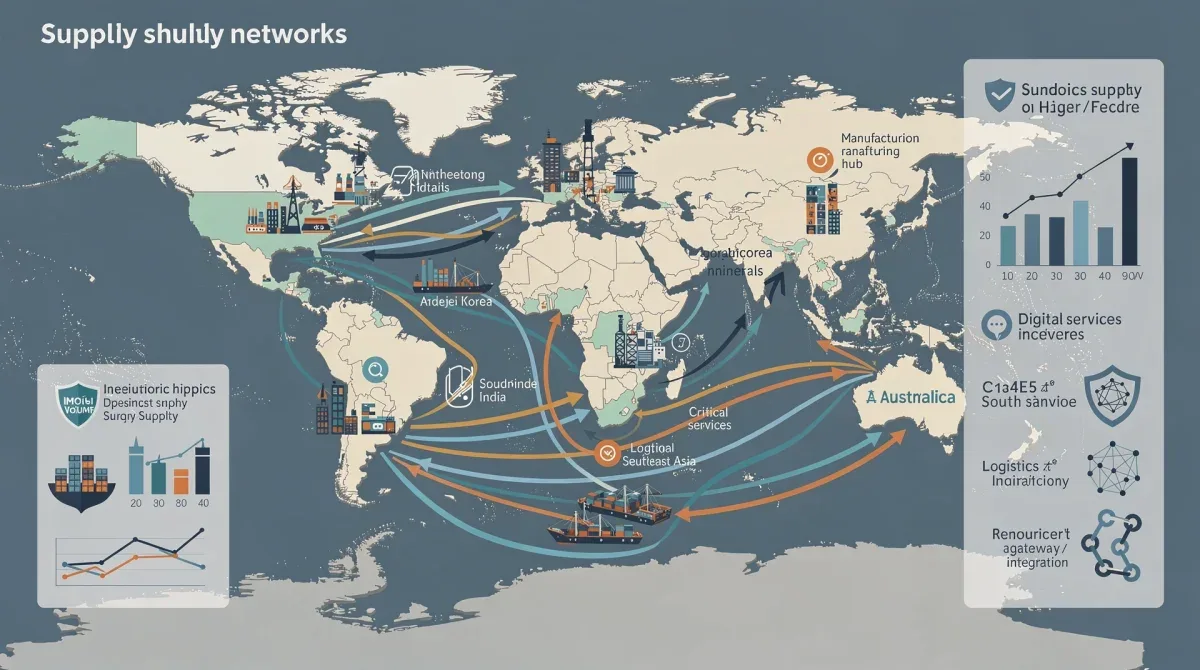
The Digital Economy and Clean Energy Pillars: Driving Future Growth
The digital economy and clean energy pillars are central to how the 2026 Indo-Pacific Economic Framework Update Reshapes US Strategic Alliances Across 14 Partner Nations, representing the forward-looking aspects of regional cooperation. These pillars address two of the most critical global challenges and opportunities of our time: harnessing technological advancement and transitioning to sustainable energy sources. By prioritizing these areas, IPEF aims to build a future-proof economy that is both innovative and environmentally responsible.
The digital economy pillar focuses on developing robust and secure digital infrastructure, promoting cross-border data flows, and establishing common standards for digital trade. This includes addressing issues like data localization, consumer privacy, and cybersecurity. For partner nations, this means greater access to digital services, enhanced e-commerce capabilities, and the potential for significant growth in their tech sectors. For the US, it means ensuring an open and rules-based digital environment that supports American innovation and business interests.
Advancing Sustainable Development
The clean energy pillar is equally transformative, aiming to accelerate the transition to sustainable energy sources and promote green technologies across the Indo-Pacific. This involves encouraging investments in renewable energy infrastructure, facilitating the development of low-carbon technologies, and supporting efforts to improve energy efficiency. The 2026 update emphasizes concrete projects and initiatives that will help member countries meet their climate goals while simultaneously fostering economic growth.
- Renewable Energy Projects: Collaborative initiatives for developing solar, wind, and hydropower projects, often involving technology transfer and financial support.
- Green Infrastructure: Investment in sustainable transportation, smart cities, and other environmentally friendly urban development projects.
- Carbon Reduction Technologies: Research and development partnerships for carbon capture, storage, and other innovative solutions to reduce emissions.
These pillars are not just about environmental or technological advancement; they are about building a resilient and competitive regional economy. By investing in clean energy, partner nations reduce their reliance on volatile fossil fuel markets and mitigate the impacts of climate change. Similarly, by developing a robust digital economy, they can foster innovation, improve productivity, and integrate more deeply into the global marketplace. The US plays a crucial role in providing expertise, technology, and investment, thereby strengthening its strategic partnerships and promoting its own economic interests.
The 2026 update will likely see the launch of several flagship projects under these pillars, demonstrating the tangible benefits of IPEF. These projects will serve as models for future cooperation, showcasing how collective action can address complex challenges and drive sustainable growth. The success of these initiatives will be critical in solidifying IPEF's role as a key mechanism for regional economic development and strategic alignment.
Challenges and Opportunities for IPEF Partners
While the 2026 Indo-Pacific Economic Framework Update Reshapes US Strategic Alliances Across 14 Partner Nations by offering significant opportunities, it also presents a unique set of challenges. Navigating these complexities will be crucial for the framework's long-term success and its ability to deliver on its ambitious goals. Partner nations face diverse economic realities, political systems, and development stages, which require a flexible and adaptive approach from the IPEF leadership.
One primary challenge lies in balancing the diverse interests and capacities of the 14 partner nations. While some countries are highly developed economies with advanced digital infrastructure, others are emerging markets with different priorities and resource constraints. Ensuring that the framework provides equitable benefits and opportunities for all participants, without imposing undue burdens, is a delicate balancing act. The opt-in nature of the pillars helps, but consistent engagement and tailored support are essential.
Addressing Implementation Hurdles
Another significant challenge is the implementation of agreed-upon standards and initiatives. Translating broad commitments into concrete policies and projects requires strong political will, administrative capacity, and sustained investment. The 2026 update, therefore, places a strong emphasis on practical implementation, moving beyond declarations to tangible outcomes.
- Capacity Gaps: Some partner nations may lack the technical expertise or institutional capacity to fully implement the high standards set by IPEF, particularly in areas like digital trade and anti-corruption.
- Resource Allocation: Ensuring sufficient financial and technical resources are allocated to support projects and reforms in all participating countries.
- Geopolitical Dynamics: Navigating the complex geopolitical landscape of the Indo-Pacific, including the influence of other major powers, requires careful diplomacy and strategic communication.
Despite these challenges, the opportunities presented by IPEF are immense. The framework offers a platform for partner nations to collectively address common vulnerabilities, such as supply chain disruptions and climate change, which no single country can effectively tackle alone. It also provides a pathway for greater integration into the global economy, fostering economic diversification and resilience. For the US, IPEF offers a unique opportunity to deepen its engagement with the region, strengthen its strategic alliances, and promote a rules-based international order.
The 2026 update provides a critical juncture for IPEF to demonstrate its effectiveness. By focusing on practical solutions, building consensus among diverse partners, and providing robust support for implementation, the framework can overcome its challenges and unlock its full potential. Its success will not only benefit the participating nations but also contribute to a more stable and prosperous Indo-Pacific region, reinforcing the strategic importance of multilateral economic cooperation.
Geopolitical Impact and Regional Stability
The geopolitical impact of how the 2026 Indo-Pacific Economic Framework Update Reshapes US Strategic Alliances Across 14 Partner Nations is profound, extending far beyond purely economic considerations. IPEF serves as a crucial instrument for enhancing regional stability by fostering economic interdependence and shared interests among its members. In a region marked by complex geopolitical rivalries, economic cooperation can act as a powerful force for peace and security, creating disincentives for conflict and promoting dialogue.
By offering an alternative framework for economic engagement, IPEF helps to diversify the strategic options available to Indo-Pacific nations. This diversification can reduce the pressure on countries to align exclusively with any single major power, allowing them to pursue more balanced foreign policies. The framework’s emphasis on transparency, good governance, and rules-based trade also reinforces international norms and principles, which are vital for maintaining a stable and predictable regional order.
Reinforcing a Rules-Based Order
The IPEF’s commitment to a rules-based economic order is a cornerstone of its geopolitical impact. By setting high standards for trade, digital economy, and fair competition, the framework promotes practices that are consistent with democratic values and open markets. This contrasts with other models of economic engagement that may prioritize state control or leverage economic ties for political influence.
- Counterbalancing Influence: Provides partner nations with an alternative economic alignment, reducing dependency on singular economic powers.
- Shared Values: Promotes democratic principles, transparency, and good governance through its fair economy pillar, reinforcing a common set of values among members.
- Conflict Prevention: Fosters economic interdependence, making military conflict less attractive due to the high economic costs and disruption to established supply chains.
The 2026 update aims to strengthen these aspects, making IPEF a more robust and attractive platform for regional cooperation. By delivering tangible economic benefits and fostering deeper integration, the framework enhances the collective resilience of its members against external pressures. This collective strength contributes significantly to regional stability, ensuring that economic prosperity is underpinned by a secure and predictable geopolitical environment. The US, through IPEF, demonstrates its commitment to being a long-term partner in the region's prosperity and security.
Ultimately, IPEF is more than an economic initiative; it is a strategic tool for shaping the future of the Indo-Pacific. Its ability to forge stronger economic ties, promote shared values, and enhance collective resilience will be instrumental in navigating the complex geopolitical landscape of the 21st century. The 2026 update is designed to solidify these foundations, ensuring that IPEF continues to play a vital role in maintaining a free, open, and prosperous Indo-Pacific, thereby benefiting global security and economic stability.
Future Outlook and Evolution of IPEF
The future outlook for how the 2026 Indo-Pacific Economic Framework Update Reshapes US Strategic Alliances Across 14 Partner Nations is one of continued evolution and adaptation. As global economic and geopolitical dynamics shift, IPEF will need to remain flexible and responsive to new challenges and opportunities. The 2026 update is not an endpoint but rather a crucial milestone in an ongoing process of building a more integrated and resilient Indo-Pacific economy. Its success will depend on the sustained commitment of all partner nations and the ability to demonstrate tangible, impactful results.
One key area for future evolution will be the expansion of the framework's scope to include new areas of cooperation. As technology advances and new global challenges emerge, IPEF may need to incorporate additional pillars or initiatives to remain relevant. This could include areas like critical minerals, biotechnology, or even enhanced educational and cultural exchanges to foster deeper people-to-people connections, thereby reinforcing the economic ties with social and cultural bonds.
Potential for Expansion and Deeper Integration
The framework also holds the potential for expanding its membership. As IPEF demonstrates its effectiveness and delivers concrete benefits, other countries in the Indo-Pacific region may seek to join, further strengthening its reach and influence. Any expansion would need to be carefully managed to ensure that the framework remains cohesive and effective, avoiding dilution of its core principles and objectives.
- New Membership: Potential for other interested Indo-Pacific nations to join, expanding the framework's geographic and economic footprint.
- Sectoral Deepening: Enhanced cooperation in specific sectors, such as advanced manufacturing, healthcare technology, or sustainable agriculture.
- Harmonization of Standards: Continued efforts to align regulatory frameworks and technical standards across member countries, facilitating smoother trade and investment.
The 2026 update, by focusing on operationalizing initial agreements, lays the groundwork for these future developments. By establishing a track record of successful implementation, IPEF can build confidence among its members and demonstrate its value proposition to potential new entrants. The ongoing dialogue and collaboration fostered by the framework will be crucial for identifying emerging needs and adapting its strategies accordingly.
Ultimately, the long-term success of IPEF will be measured not just by economic metrics but also by its contribution to regional peace and stability. By fostering a network of economically interdependent nations committed to shared values and rules-based cooperation, IPEF can play a vital role in shaping a prosperous and secure future for the Indo-Pacific. The 2026 update is a testament to the enduring vision of this framework and its potential to profoundly influence global affairs for decades to come, solidifying US strategic alliances.
| Key Aspect | Brief Description |
|---|---|
| Framework Type | A non-traditional economic engagement, not a free trade agreement, focusing on modern challenges. |
| Pillars | Trade, Supply Chains, Clean Economy, Fair Economy – with opt-in flexibility. |
| Strategic Goal | Enhances US alliances through economic interdependence and shared values in the Indo-Pacific. |
| Key Impact | Fosters resilient supply chains, digital trade, clean energy, and anti-corruption measures. |
Frequently Asked Questions about IPEF
What is the primary goal of the 2026 Indo-Pacific Economic Framework update?▼The primary goal is to deepen economic cooperation and strengthen US strategic alliances across 14 partner nations in the Indo-Pacific. It aims to build a more resilient, integrated, and sustainable regional economy by focusing on critical areas like trade, supply chains, clean energy, and fair economic practices.
How does IPEF differ from traditional free trade agreements?▼IPEF is not a traditional free trade agreement that primarily focuses on tariff reductions. Instead, it addresses 21st-century economic challenges through four flexible pillars: trade, supply chains, clean economy, and fair economy. Partner nations can opt into specific pillars, offering a more adaptable approach than conventional agreements.
Which countries are part of the IPEF?▼The IPEF includes the United States and 13 partner countries: Australia, Brunei Darussalam, Fiji, India, Indonesia, Japan, Republic of Korea, Malaysia, New Zealand, Philippines, Singapore, Thailand, and Vietnam. These nations collectively represent a significant portion of the global economy.
What are the main benefits for partner nations under IPEF?▼Partner nations benefit from diversified trade opportunities, increased foreign investment in strategic sectors like clean energy and digital infrastructure, improved regulatory standards, and enhanced supply chain security. IPEF helps foster domestic innovation and competitiveness, contributing to long-term economic stability and growth.
What is the geopolitical significance of IPEF?▼Geopolitically, IPEF reinforces regional stability by fostering economic interdependence and shared interests. It provides an alternative framework for economic engagement, promoting a rules-based order and democratic values. This strengthens US strategic alliances and offers partner nations diversified options in a complex geopolitical landscape.
Conclusion
The 2026 Indo-Pacific Economic Framework Update stands as a testament to evolving US foreign policy, shifting towards a comprehensive economic engagement that profoundly reshapes strategic alliances across 14 partner nations. By moving beyond traditional trade agreements, IPEF addresses modern economic challenges through its four pillars, fostering resilience in supply chains, advancing clean energy initiatives, promoting fair economic practices, and enhancing digital trade. This framework not only strengthens economic ties but also underpins regional stability, offering a flexible and inclusive platform for collaboration. The continuous evolution of IPEF, marked by the 2026 update, underscores its critical role in building a prosperous, open, and secure Indo-Pacific, demonstrating the enduring commitment of the United States to its allies and partners in this vital region.
